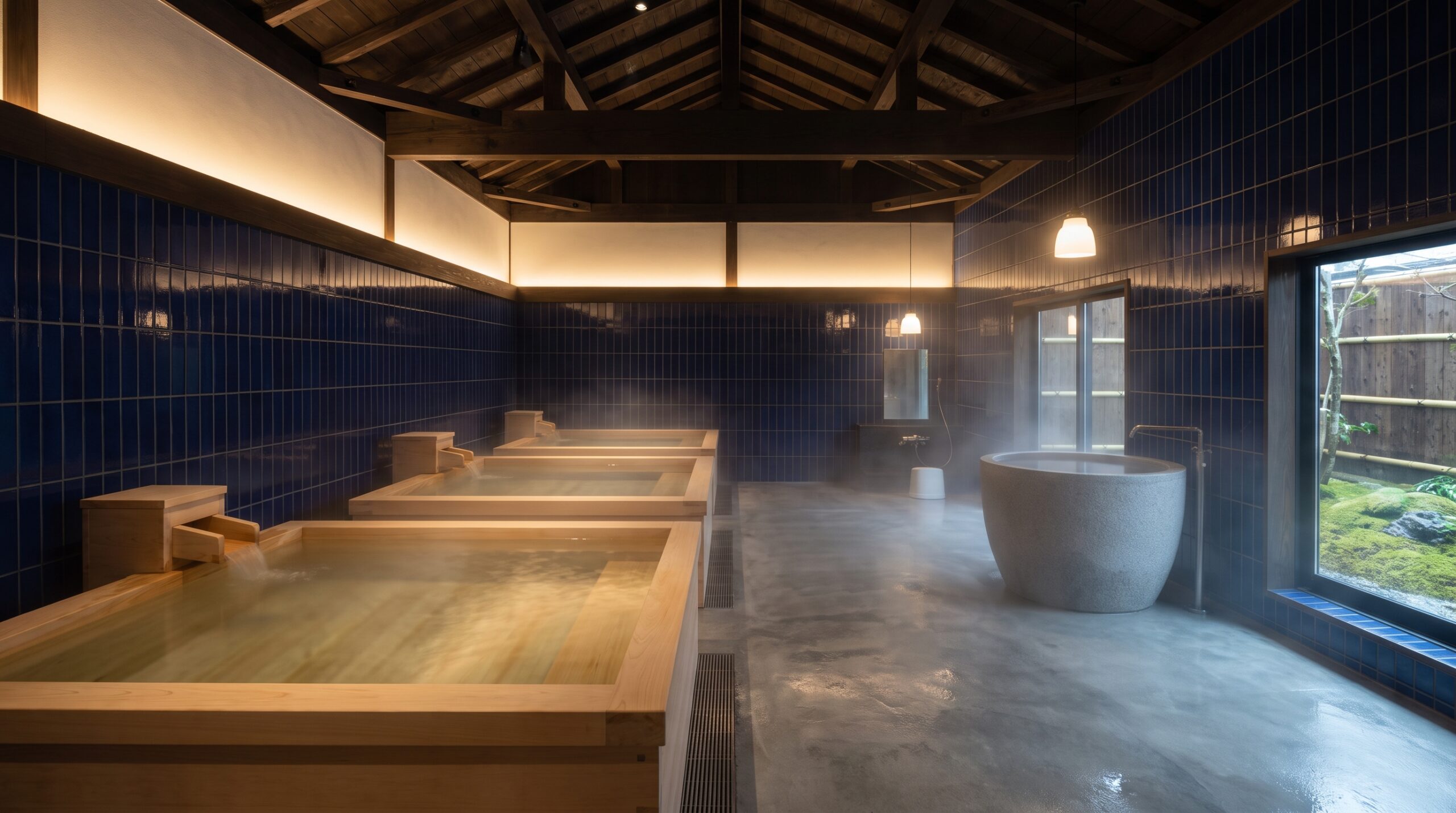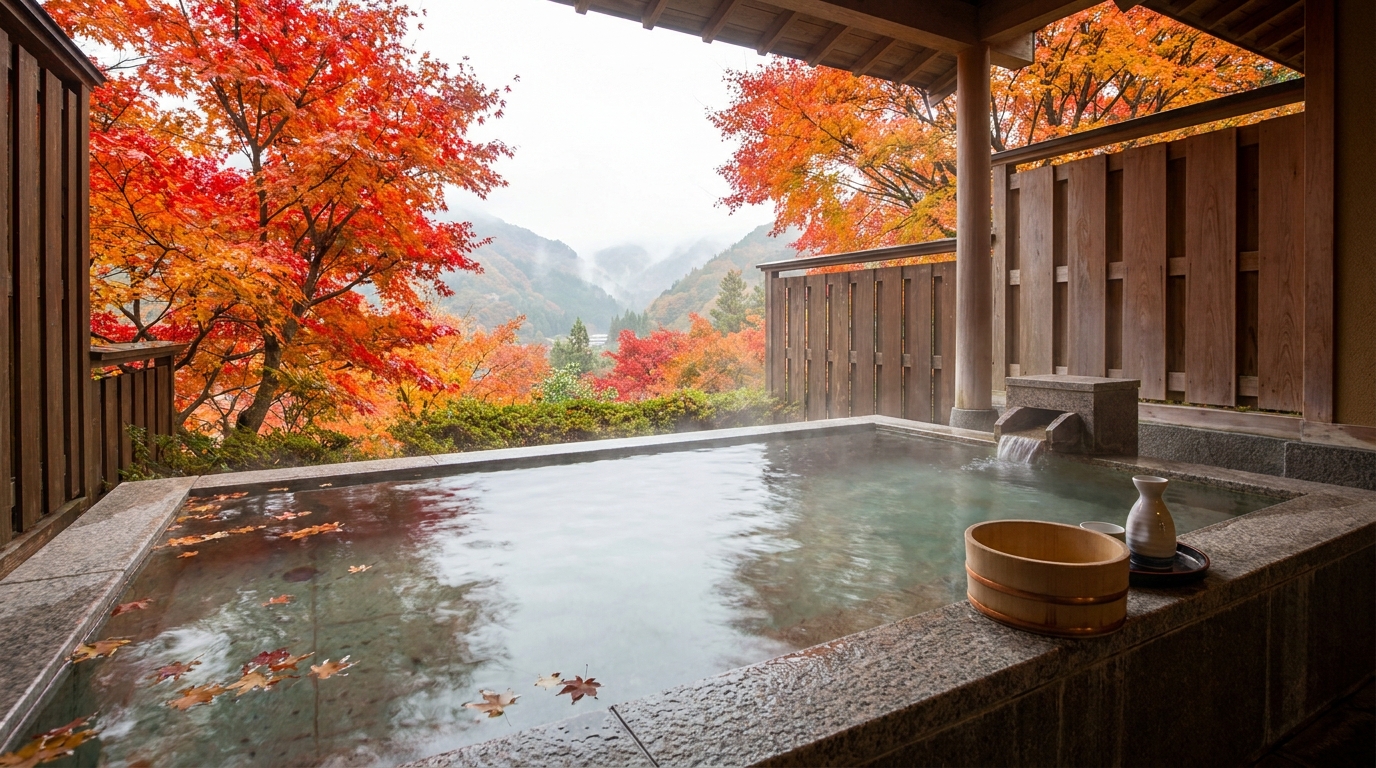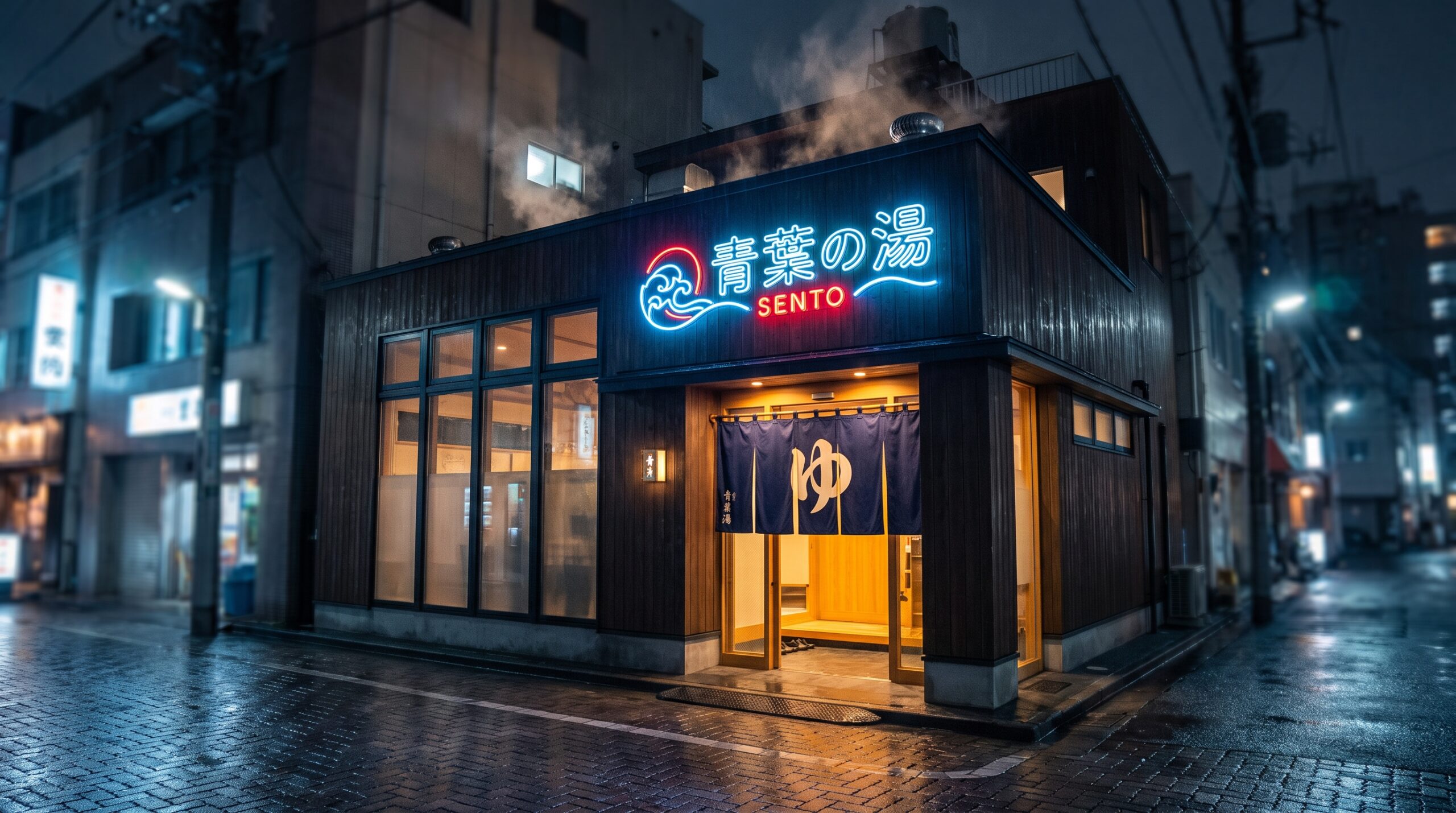
Japan’s onsen culture is one of the country’s most treasured experiences — and one of the most confusing for tattooed travelers. The traditional no-tattoo rule exists across most public bathhouses and ryokan, rooted in decades-old associations between tattoos and organized crime. But the reality in 2026 is more nuanced than a blanket ban.
The good news: options for tattooed visitors have expanded significantly in recent years. Major facilities have quietly dropped their restrictions. Private kashikiri baths sidestep the issue entirely. And a growing number of onsen towns now have confirmed tattoo-friendly spots that welcome inked guests without hesitation.
This guide cuts through the confusion — by city, by type of bath, and by what actually works.
- Quick Picks: Best Tattoo-Friendly Onsen in Japan
- The Honest Reality: Why Tattoos Are Complicated in Japan
- The Easiest Solution: Private Onsen (貸切風呂)
- Tattoo-Friendly Onsen by City
- Practical Tips for Tattooed Onsen Visitors
- Regional Overview: Where to Find Tattoo-Friendly Onsen Across Japan
- FAQ
- Final Thoughts
Quick Picks: Best Tattoo-Friendly Onsen in Japan
| Category | Pick | Location |
|---|---|---|
| Best Public Bath | Funaoka Onsen | Kyoto |
| Best Day-Use Facility | Hakone Yuryo | Hakone |
| Best Private Ryokan | Onsen Ryokan Yuen Shinjuku | Tokyo |
| Best Overall Experience | Kurama Onsen | Kyoto (mountains) |
| Best in Hakone | Tenzan Onsen | Hakone-Yumoto |
The Honest Reality: Why Tattoos Are Complicated in Japan
Japan’s no-tattoo onsen rules date back to the 1990s, when many public facilities banned tattooed guests to deter organized crime members from using their baths. The rules were never about aesthetics — they were about excluding a specific social group.
In 2015, Japan’s National Tourism Agency issued guidance encouraging onsen facilities to reconsider blanket bans, particularly for foreign visitors. Progress has been slow but real.
What “tattoo-friendly” actually means:
- Fully allowed — no restrictions on communal baths, confirmed in writing
- Private kashikiri only — communal baths off-limits, but private reservable baths fully allowed
- Small tattoos tolerated — some facilities allow tattoos that can be covered with a provided sticker patch
- Case-by-case — staff discretion; outcomes vary
This guide only lists facilities in the first two categories. We don’t recommend relying on “small tattoos tolerated” policies — enforcement varies and it creates an uncomfortable experience for everyone.
The Easiest Solution: Private Onsen (貸切風呂)
Before diving into city-by-city picks, the single most reliable workaround for tattooed travelers is booking a private kashikiri bath (貸切風呂) or a room with an in-room onsen (客室露天風呂).
Private baths — whether attached to your guest room or reserved as a standalone tub — are almost universally tattoo-friendly, because no other guests share the space. The facility’s no-tattoo rule applies to communal baths; it rarely extends to private facilities.
This means you can stay at a top-tier Hakone or Kyoto ryokan, enjoy genuine natural hot spring water, and soak without any policy concerns — as long as you book the right room type.
Tattoo-Friendly Onsen by City
🏯 Kyoto
Kyoto has a mix of traditional bathhouses with strict rules and a growing number of genuinely welcoming options. The key is knowing which is which before you show up.
Public baths that fully allow tattoos:
Funaoka Onsen (船岡温泉)
One of Kyoto’s oldest and most beautiful public bathhouses — and one of the few that explicitly welcomes tattooed guests in all communal baths. Historic wooden interior, varied bath types including electric bath and herbal bath. A genuinely special experience.
Kurama Onsen (くらま温泉)
Located in the forested mountains north of Kyoto, Kurama Onsen is one of the most scenic bathing spots in the Kansai region. Fully tattoo-friendly in both indoor and outdoor communal baths. Worth the 30-minute train ride from central Kyoto.
Goko Yu (五香湯)
A well-designed modern sento in central Kyoto. Confirmed tattoo-friendly. Clean facilities, reasonable prices, easy to reach.
For ryokan stays with private onsen:
Kyoto’s best private onsen ryokans sidestep the tattoo question entirely — book a room with an in-room bath and you’re set.
👉 Full guide: Tattoo-Friendly Onsen in Kyoto | Private Onsen in Kyoto
🗻 Hakone
Hakone is Japan’s most popular onsen resort for Tokyo visitors — and historically one of the stricter areas for tattoo policy. That changed significantly in 2025.
Hakone Yuryo (箱根湯寮)
As of April 2025, Hakone Yuryo dropped its tattoo ban entirely. This is significant — it’s one of Hakone’s premier day-use facilities, with excellent natural hot spring water and beautiful kashikiri private baths. Fully tattooed guests welcome in both communal and private baths.
Tenzan Onsen (天山湯治郷)
Tenzan has allowed tattoos in its private kashikiri baths for years. Communal bath policy varies by specific bath — confirm at reception on arrival. The facility itself is excellent: multiple outdoor baths, forest setting, good food.
Kashikiri (private) baths at ryokan:
Most Hakone ryokans with private in-room or reservable baths are tattoo-friendly for those facilities, regardless of their communal bath policy. Book a room with a private open-air bath and you have full access to natural Hakone hot spring water with no restrictions.
👉 Full guide: Tattoo-Friendly Onsen in Hakone | Private Onsen in Hakone
🗼 Tokyo
Tokyo actually has more tattoo-friendly bathing options than most Japanese cities — partly because the capital’s international visitor base has pushed facilities to adapt faster.
Public sento and day-use options:
Shimizu-yu (清水湯)
A popular neighborhood sento in Minami-Aoyama with a confirmed tattoo-friendly policy. Genuine hot spring water (two types: black sulfur spring and sodium spring). One of the better genuine onsen experiences actually within central Tokyo.
Kogane-yu (黄金湯)
A beautifully renovated public bath in Kinshicho with a modern design ethos and explicit tattoo-welcome policy. Social media-friendly interiors, reasonable prices.
Onsen Ryokan Yuen Shinjuku
The most reliable full-service ryokan experience for tattooed guests in central Tokyo. Private kashikiri baths are tattoo-friendly; confirm communal bath policy at booking.
The honest caveat about Tokyo onsen:
Most Tokyo “onsen” are artificially heated mineral baths or black sulfur water drawn from relatively shallow sources — not the volcanic natural hot springs of Hakone or Kyushu. The bathing experience is still excellent, but it’s a different product. If genuine volcanic onsen is the priority, budget a night in Hakone.
👉 Full guide: Tattoo-Friendly Onsen in Tokyo | Private Onsen in Tokyo
Practical Tips for Tattooed Onsen Visitors
1. Always confirm policy before you go
Policies change. A facility that was tattoo-friendly last year may have updated its rules. Check the official website or call ahead (or have your hotel call on your behalf). Don’t rely on outdated travel blog posts — including this one. Use it as a starting point, then verify.
2. Private baths are your lowest-stress option
If you want to stop thinking about policies and just enjoy Japanese onsen culture, book a ryokan with an in-room private onsen. You get natural hot spring water, beautiful design, and zero awkwardness. It costs more — but it’s often the highlight of a Japan trip regardless.
3. Know the difference: onsen vs. sento vs. super sento
- Onsen (温泉): Natural hot spring water, certified by the government. Mineral composition varies by location.
- Sento (銭湯): Traditional public bathhouse using heated tap water. Not onsen.
- Super sento: Large modern bath complex, may or may not use genuine onsen water.
For the full onsen experience, look for 天然温泉 (natural hot spring) on the facility’s signage or website.
4. Cover options
Some facilities allow small or discreet tattoos with a provided waterproof patch (ボディーシール). This is not universal, enforcement is inconsistent, and it can feel uncomfortable. We don’t recommend building your onsen plans around this workaround.
5. Ryokan check-in timing
Traditional ryokans expect guests to arrive before dinner service (usually 6pm or earlier). If you plan to soak privately in the evening, confirm your check-in time at booking.
Regional Overview: Where to Find Tattoo-Friendly Onsen Across Japan
| Region | Best Tattoo-Friendly Options | Notes |
|---|---|---|
| Kyoto | Funaoka Onsen, Kurama Onsen | Communal baths fully allowed |
| Hakone | Hakone Yuryo, Tenzan Onsen | Yuryo ban lifted April 2025 |
| Tokyo | Shimizu-yu, Kogane-yu, Yuen Shinjuku | More options than most cities |
| Kyushu (Beppu / Yufuin) | Private kashikiri widely available | Check communal policy per facility |
| Hokkaido | Private baths widely available at ryokan | Jozankei / Noboribetsu area |
| Nikko | Private baths at Kinugawa Onsen ryokan | Communal baths often strict |
FAQ
Can I use onsen in Japan if I have tattoos?
Yes — but it depends on the facility. Communal public baths often still prohibit tattoos. Private kashikiri baths and in-room ryokan baths are almost always tattoo-friendly. This guide lists confirmed options by city.
Will I be turned away at the door?
At traditional facilities with strict policies: yes, it does happen. The way to avoid it is to book private baths or go to confirmed tattoo-friendly facilities. Don’t assume — verify in advance.
What about small or hidden tattoos?
Some facilities have a “small tattoos can be covered” policy. We don’t recommend relying on it — it’s inconsistently enforced and creates an uncomfortable dynamic for everyone. Stick to confirmed tattoo-friendly spots.
Is Japan getting more tattoo-friendly?
Yes, slowly. The 2020 Tokyo Olympics accelerated some policy changes, and the National Tourism Agency has encouraged facilities to welcome international visitors. Hakone Yuryo’s 2025 policy change is a notable recent example. The trend is in the right direction, but communal baths at traditional ryokan remain largely restrictive.
What’s the best onsen experience for tattooed travelers?
A ryokan with an in-room private onsen — ideally in Hakone, Kyoto, or Kyushu. You get everything: natural hot spring water, Japanese hospitality, kaiseki cuisine, and full privacy. The tattoo question becomes irrelevant.
👉 Best Ryokans in Japan with Private Onsen
Final Thoughts
Japan’s onsen culture is absolutely accessible to tattooed travelers in 2026 — it just takes more advance research than it does for non-tattooed visitors. The options are there; you just need to know where to look.
The simplest approach: book a ryokan with a private in-room onsen, and enjoy natural hot spring water on your own schedule, with no policy concerns. If communal bathing is important to you, the confirmed options in Kyoto and Hakone are genuinely excellent.
By destination:
- 🏯 Kyoto: Tattoo-Friendly Onsen in Kyoto
- 🗻 Hakone: Tattoo-Friendly Onsen in Hakone
- 🗼 Tokyo: Tattoo-Friendly Onsen in Tokyo
For private onsen ryokan (tattoo always fine):