I’ve been recommending Hakone accommodation to foreign visitors for over 15 years, and the single most common mistake I see is people choosing a hotel based on price and reviews alone — without understanding the area they’re staying in. Hakone is not one place. It’s a network of distinct neighbourhoods connected by mountain railways and buses, and the right area depends entirely on what you’re trying to get out of the trip. This guide gives you the honest breakdown.
🛁 Planning an onsen getaway near Tokyo? Check out our honest guide to the best onsen ryokans near Tokyo — covering Hakone, Izu, and Nikko.
Japan travel professional with 15+ years of industry experience, including senior roles at major Japanese travel companies and media. Every recommendation in this guide is based on firsthand knowledge. We are never paid directly by hotels to feature them.
- TL;DR Quick Picks
- Overview: The 4 Main Areas to Stay in Hakone
- Best Area for First-Timers: Hakone-Yumoto
- Best Area for Onsen Lovers: Gora
- Best Area for Scenery: Motohakone / Lake Ashi
- Best Area for a Quiet Escape: Sengokuhara
- Ryokans vs. Hotels: Which Should You Choose?
- When to Book
- How to Get to Hakone from Tokyo
- FAQ
TL;DR Quick Picks
Short on time? Here are my top picks for 2026 by budget:
- 🏆 Splurge: Gora Kadan (Gora) → Check availability on Agoda

- 🛁 Mid-Range: FUFU Hakone (Gora area) → Check availability on Agoda

- 💴 Budget: Hakone Airu (Hakone-Yumoto) → Check availability on Agoda

*Disclosure: Some links in this article are affiliate links. If you book through them, I may earn a small commission at no extra cost to you. Recommendations are based on 15+ years in the Japan travel industry — no paid placements, ever.*
Overview: The 4 Main Areas to Stay in Hakone
Before diving into specific hotels, here’s a quick-reference summary of Hakone’s four main accommodation zones:
| Area | Best For | Transport | Vibe |
|---|---|---|---|
| Hakone-Yumoto | First-timers, late arrivals, budget travellers | Best — 5 min walk from Romancecar terminal | Lively, touristy, walkable |
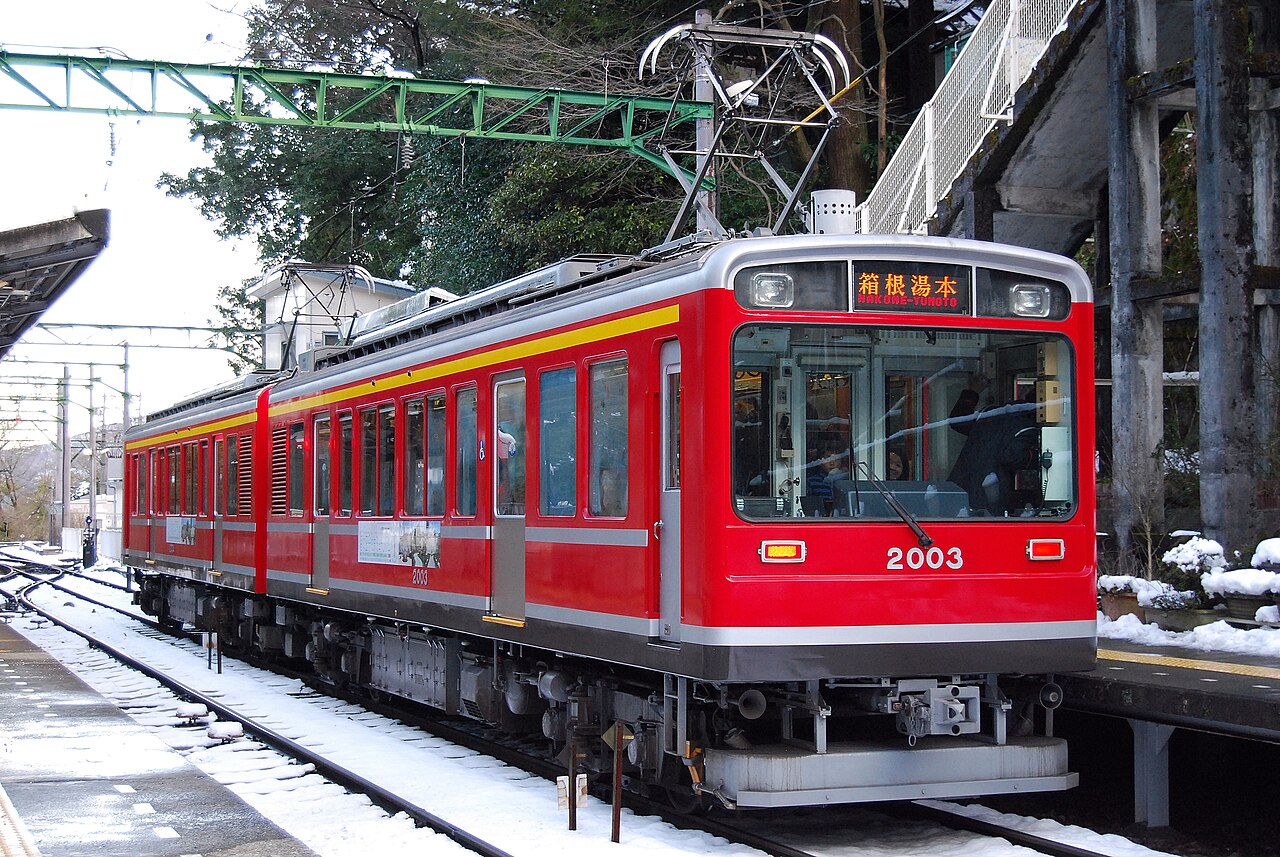
| Gora | Onsen enthusiasts, couples, luxury seekers | Very good — Hakone Tozan Railway | Quiet, elevated, refined |
| Motohakone / Lake Ashi | Mt. Fuji views, families, scenic stays | Moderate — buses and boat connections | Scenic, lakeshore, open |
| Sengokuhara | Nature, quiet escapes, high-end resorts | Bus-dependent | Remote, rural, pampas highlands |
A note on Kowakudani: this small area sits between Gora and the ropeway and is home to notable properties like Hakone Kowakien Tenyu. It’s served by the Tozan Cablecar (not the main Tozan Railway). I’ve included relevant properties under the Gora section below since the experience and access are closely related.
Best Area for First-Timers: Hakone-Yumoto
Hakone-Yumoto is where the Odakyu Romancecar terminates — the main gateway into the Hakone area. The town sits in a river valley, surrounded by forested hills, and has been a hot spring destination since the Edo period. It’s the most accessible part of Hakone by a significant margin.
Why stay here:
- You’re steps from the Hakone-Yumoto station, which connects to Odawara (Shinkansen) and Gora (Tozan Railway)
- The most English-friendly area in Hakone
- Lively restaurant and souvenir shopping street along the river
- Easiest option if you’re arriving late or leaving early
The trade-off: It’s the busiest and most touristy of Hakone’s areas. Weekend daytime crowds can be significant. The spring water here (alkaline, colourless) is good but not the most dramatic in the region.
Recommended Hotels in Hakone-Yumoto
Yumoto Fujiya Hotel (湯本富士屋ホテル)
*From ¥34,200 (~$228) per person/night with 2 meals*
A venerable property right in Hakone-Yumoto, operated with strong ryokan sensibilities despite calling itself a hotel. Communal baths draw from the local alkaline springs, the breakfast spread is generous, and the location — about 5 minutes on foot from the Romancecar terminus — is as convenient as it gets in Hakone. The best choice for first-timers who want a traditional atmosphere without the complexity of navigating further into the region.
Check availability on Agoda
Hakone Airu (箱根 愛留)
*From ¥34,200 (~$228) per person/night with 2 meals*
Small, personally managed, and honest about what it is: a compact ryokan near Hakone-Yumoto with clean tatami rooms, communal onsen baths with real spring water, and a kitchen that puts genuine care into its set meals. The owner-run feel produces a warmer welcome than you’d get at a larger corporate property. My consistent recommendation for budget-conscious travellers who still want an authentic ryokan atmosphere.
Check availability on Agoda
Hakone Hotel Kowakien (箱根ホテル小涌園)
*From ¥25,000 (~$167) per person/night*
A large-format resort hotel adjacent to the Yunessun hot spring complex in Kowakudani, with the benefit of easy access to both resort facilities and more traditional onsen. Rooms are hotel-style rather than traditional ryokan. Good choice for families who want resort amenities and easy access to the Yunessun theme pool complex for children. Less intimate than a proper ryokan but significantly more affordable.
Check availability on Agoda
Best Area for Onsen Lovers: Gora
Gora sits at roughly 541 metres altitude, reached by the Hakone Tozan Railway’s charming switchback climb from Yumoto. This is where Hakone’s finest ryokans are concentrated, and it’s the area I recommend for anyone who’s specifically in Hakone for the onsen experience.
Why stay here:
- Home to the highest concentration of quality onsen ryokans
- Well-connected — the Tozan Railway runs frequently, and the ropeway to Owakudani and Lake Ashi begins here
- Quieter and more refined than Yumoto
- Higher altitude means cooler air, which makes outdoor baths more atmospheric
The trade-off: Takes an additional 40 minutes from Hakone-Yumoto by train; slightly more logistically involved for first-time Japan visitors.
Recommended Hotels in Gora
Gora Kadan (強羅花壇)
*From ¥152,000 (~$1,013) per person/night with 2 meals*
Built on the former summer villa grounds of the Higashifushimi imperial family, Gora Kadan is the benchmark luxury ryokan in Hakone. The sloping gardens are immaculate, the kaiseki is among the most celebrated in the region, and the service has the kind of attentiveness that makes you feel mildly embarrassed by how well you’re being looked after. Most rooms have private rotenburo. This is not a casual splurge — it requires planning 2–3 months ahead in peak seasons and a genuine commitment to the experience.
Check availability on Agoda
FUFU Hakone
*From ¥133,000 (~$887) per person/night with 2 meals*
FUFU is part of a small luxury chain that has figured out what international visitors want: beautiful modern-traditional design, private in-room baths for all rooms, excellent food, and staff with enough English to actually assist you. The spring water at the Hakone property is a milky-white sulphurous spring — unusual for Gora-area properties and particularly good for skin. Highly recommended for design-conscious travellers who want luxury without the rigid formality of older establishments.
Check availability on Agoda
Tokinoyu Setsugetsuka (時乃湯 雪月花)
*From ¥47,500 (~$317) per person/night with 2 meals*
A quieter, less-marketed option in the Gora area that represents genuine value: private open-air baths in rooms, careful seasonal cooking, and a convenient location near Gora station — no buses or ropeway needed. The quality-to-price ratio is one of the better deals in Hakone. Best for travellers who have done their research and want a solid authentic ryokan experience without paying luxury tier rates.
Check availability on Agoda
Best Area for Scenery: Motohakone / Lake Ashi
Lake Ashi (Ashinoko) sits at the southern end of the Hakone area, at 723 metres altitude. On clear days, it offers the classic Hakone postcard image: Mt. Fuji reflected in the lake, with a red torii gate in the foreground. This is the area to choose if views are your primary motivation.
Why stay here:
- The best location for Mt. Fuji views in the entire Hakone area
- Access to the Lake Ashi sightseeing boats (pirate ships)
- Hakone Shrine is a short walk along the lakeside
- Quieter than Yumoto or even Gora
The trade-off: Further from the main Tozan Railway network; access is primarily by bus (Hakone Tozan Bus) or the sightseeing boat. If you want to explore the full Hakone area, you’ll be on buses a lot.
Recommended Hotels near Lake Ashi
Hakone Ashinoko Hanaori (箱根 芦ノ湖 はなをり)
*From ¥41,800 (~$279) per person/night with 2 meals*
On the shores of Lake Ashi in Motohakone, Hanaori is one of the few Hakone ryokans that genuinely welcomes families with children — the layout and programming are designed with this in mind. Lake views are spectacular from multiple points in the property, and clear days reveal Mt. Fuji across the water. Indoor and outdoor baths are well-designed for practical use. Children’s meal plans available. Pirate ship boarding point is nearby. Best for: families, couples prioritising views, anyone wanting lakeside atmosphere.
Check availability on Agoda
The Prince Hakone Lake Ashinoko (箱根プリンスホテル)
*From ¥29,000 (~$193) per person/night*
A large resort hotel complex on the Lake Ashi shore with multiple accommodation types — the Lake Side and West Wing offer different price points and atmospheres. The grounds are extensive (including a golf course), and the lakefront access and views are the main draw. Less intimate than a ryokan, more hotel-like in operation, but the combination of price point, views, and location makes it a solid choice for travellers who want Western-style comfort near the lake.
Check availability on Agoda
Best Area for a Quiet Escape: Sengokuhara
The highland plateau of Sengokuhara sits in the western part of Hakone, at around 700 metres, surrounded by open grassland and forest. It’s most famous for the susuki (pampas grass) fields that turn golden in October — a spectacular sight that draws significant numbers of visitors during autumn. Outside of that season, it’s the quietest corner of the Hakone area.
Why stay here:
- The most peaceful, resort-like atmosphere in Hakone
- Home to some of the area’s best high-end properties
- Open, airy landscape rather than the enclosed valley feel of Yumoto
- The pampas grass fields in October are genuinely beautiful
The trade-off: Entirely bus-dependent for getting around. You’ll want to plan your movements in advance and check bus schedules. Not the right choice if you want to explore Hakone freely without planning each journey.
Recommended Hotels in Sengokuhara
Hoshino Resorts KAI Sengokuhara (星野リゾート 界 仙石原)
*From ¥76,000 (~$507) per person/night with 2 meals*
Hoshino Resorts’ KAI brand has developed one of the most consistent formulas in Japanese hospitality: regional craft and cultural activities woven into the stay, warm and engaging service, solid onsen facilities, and thoughtful food. The Sengokuhara property draws from sodium bicarbonate springs particularly suited to sensitive skin. Not all rooms have private baths (specify when booking if this matters to you). The pampas grass setting in autumn is exceptional. Best for: travellers who want a curated Japanese cultural experience alongside onsen.
Check availability on Agoda
Hyatt Regency Hakone Resort & Spa
*From ¥60,000 (~$400) per person/night*
The Hyatt Regency brings international hotel standards to Sengokuhara — spacious rooms, a full-service spa, and a level of English-language service reliability that some travellers genuinely value. This is the right choice for visitors who want the Hakone setting but prefer the familiarity and predictability of a major Western brand. The onsen facilities are genuine; the experience is more hotel than ryokan. Best for: business travellers; those who prefer Western-style hotel operation; visitors who want a luxury base without the formal ryokan structure.
Check availability on Agoda
Ryokans vs. Hotels: Which Should You Choose?
The distinction matters more in Hakone than in most places.
Choose a ryokan if:
- You want the full Japanese hospitality experience (tatami rooms, futon, yukata, kaiseki dinner, communal baths)
- Onsen access is a priority — ryokans typically have better, more carefully maintained onsen facilities
- You’re celebrating something — a ryokan stay in Hakone is genuinely memorable
- You want meals included (most ryokans include dinner and breakfast)
Choose a hotel if:
- You prefer familiar Western-style beds and room setups
- You want flexibility on meals — eating out for dinner rather than committing to kaiseki
- You’re travelling with young children who need predictable schedules
- Budget is a primary constraint — entry-level hotel-style options in Hakone can be cheaper than comparable ryokans
For a detailed breakdown of specific ryokans across all price categories, with honest assessments of each property:
Best Ryokans in Hakone: Complete Guide →
When to Book
Peak seasons requiring 2–3 months advance booking:
- Autumn foliage (mid-October – late November): The busiest period. Gora, Sengokuhara (pampas grass), and the Tozan Railway route are at their most beautiful — and their most crowded. Many popular ryokans sell out months in advance.
- Cherry blossom (late March – mid-April): Significant demand, particularly around Hakone-Yumoto and the Tozan Railway.
- Golden Week (late April – early May): Extremely crowded. Book the moment your dates are confirmed.
Better value, easier availability:
- Winter (December – February): Lower prices at many properties, fewer crowds, excellent conditions for outdoor onsen. Clear days in January and February offer the best Mt. Fuji views of the year.
- Rainy season (June – July): Hydrangeas along the Tozan Railway are spectacular. Outdoor activities are weather-dependent, but onsen stays are largely unaffected by rain — and prices are noticeably lower.
General booking guidance: For a Saturday night in October at any quality ryokan in Hakone, book at least 2 months ahead. For weeknight stays outside peak season, 2–4 weeks is usually sufficient.
How to Get to Hakone from Tokyo
The most convenient route is the Odakyu Romancecar from Shinjuku to Hakone-Yumoto — 85 minutes direct with reserved seats. From Hakone-Yumoto, the Hakone Tozan Railway connects to Gora (40 minutes), buses reach Sengokuhara and Motohakone, and the sightseeing boats serve the Lake Ashi area.
For full routing details, the Hakone Free Pass, and getting around within the area:
Complete Tokyo to Hakone Transport Guide →
For onsen information, spring types, and day-use facilities:
FAQ
Where is the best place to stay in Hakone?
For most first-time visitors, Hakone-Yumoto offers the easiest experience — it’s the main transport hub, closest to Tokyo, and has plenty of ryokans and hotels at various price points. For serious onsen enthusiasts or those wanting a quieter, more refined stay, Gora is the better choice — it has the highest concentration of quality ryokans, good rail connections, and a more peaceful atmosphere. For scenery, Motohakone/Lake Ashi provides the best Mt. Fuji views. For total quiet and resort atmosphere, Sengokuhara is unmatched.
Is it better to stay in Hakone-Yumoto or Gora?
For first-timers: Hakone-Yumoto. The ease of access and range of options makes it forgiving of planning mistakes. For those who’ve visited before, or who prioritise onsen quality and atmosphere: Gora. The extra 40 minutes on the Tozan Railway is worth it for the access to better properties and a quieter setting. If you have two nights, consider spending one in each area.
How many nights should I stay in Hakone?
Two nights is ideal — it gives you one full day for sightseeing (the classic ropeway-to-lake-cruise circuit), one morning of relaxed onsen time before checkout, and enough breathing room to not feel rushed. One night is viable but often feels short once you arrive. Three or more nights allows you to explore lesser-visited areas like Sengokuhara and the Old Tokaido Road properly.
Is Hakone expensive to stay?
It depends on your accommodation type. Western-style hotels and resort properties start from around ¥15,000–25,000 per person per night with no meals. Traditional ryokans with dinner and breakfast included start from around ¥34,000 per person at the budget end, reaching ¥150,000+ per person at the luxury level. The “per person” pricing of ryokans catches some visitors off guard — a ¥50,000 per person rate means ¥100,000 for a couple sharing a room. That said, the meals (typically kaiseki dinner plus a full Japanese breakfast) are included in the rate, which changes the value calculation significantly.
*Last updated: May 2026. Prices are approximate and subject to change. Always verify directly with the property or via the booking platform before finalising.*