Getting from Tokyo to Hakone is easier than most visitors expect. I have made this journey dozens of times over 15 years in the Japan travel industry. This guide covers every option clearly, so you can pick the right route for your trip.
🛁 Planning an onsen getaway near Tokyo? Check out our honest guide to the best onsen ryokans near Tokyo — covering Hakone, Izu, and Nikko.
Japan travel professional with 15+ years of industry experience, including senior roles at major Japanese travel companies and media. Every recommendation in this guide is based on firsthand knowledge. We are never paid directly by hotels to feature them.
*Disclosure: Some links in this article are affiliate links. If you book through them, I may earn a small commission at no extra cost to you. All recommendations are based on firsthand experience.*
Quick Answer
The best route for most visitors is the Odakyu Romancecar from Shinjuku Station, running direct to Hakone-Yumoto in about 85 minutes. Reserved seats cost around 3,100 to 3,500 yen. If you already have a JR Pass, take the Shinkansen from Tokyo Station to Odawara (35 min), then transfer to the Hakone Tozan Railway (15 min).
How to Get from Tokyo to Hakone
Odakyu Romancecar (Recommended)
The Romancecar is the most comfortable and direct way to reach Hakone. It departs from Shinjuku Station and arrives at Hakone-Yumoto without any transfers.
Key details:
- Departure: Shinjuku Station (Odakyu platforms)
- Arrival: Hakone-Yumoto Station
- Journey time: Approximately 85 minutes
- Cost: Around 3,100 to 3,500 yen per person (includes reserved seat fee)
- Frequency: Multiple departures daily, more frequent on weekends
Seats must be reserved in advance. Book at the Odakyu ticket counter at Shinjuku, at ticket machines, or through the Odakyu online reservation system.
Shinkansen via Odawara (JR Pass Holders)
If you have a JR Pass, the Shinkansen from Tokyo Station to Odawara is covered. From Odawara, transfer to the Hakone Tozan Railway to reach Hakone-Yumoto.
Key details:
- Tokyo Station to Odawara: Tokaido Shinkansen (Kodama or Hikari), about 35 minutes
- Odawara to Hakone-Yumoto: Hakone Tozan Railway, about 15 minutes
- Cost: JR Pass covers the Shinkansen. The Hakone Tozan Railway is not covered (add about 300 yen each way)
- Total journey: Around 50 to 60 minutes from Tokyo Station
This route is economical for JR Pass holders, but total door-to-door time is similar to the Romancecar depending on your starting point in Tokyo.
Highway Bus from Shinjuku
The highway bus is the cheapest option, departing from Busta Shinjuku (the bus terminal above Shinjuku Station).
Key details:
- Departure: Busta Shinjuku, Floor 4
- Arrival: Hakone-Yumoto or Gotemba
- Journey time: About 110 to 130 minutes (longer during traffic)
- Cost: Around 1,650 to 2,000 yen per person
- Advance booking recommended, especially on weekends
The bus is comfortable and affordable, but journey time depends on traffic. It is best suited for budget travelers who are not in a hurry.
By Car
Driving to Hakone takes about 100 to 140 minutes from central Tokyo depending on traffic. The standard route uses the Tomei Expressway.
Things to know:
- Tolls apply on expressways
- Parking at popular attractions in Hakone can be limited, especially on weekends
- The Hakone Turnpike is a scenic toll road popular with drivers
- If you plan to explore widely, a car gives more flexibility than public transport
Hakone Free Pass: Is It Worth It?
The Hakone Free Pass bundles round-trip Odakyu train access from Shinjuku with unlimited use of most of Hakone’s internal transport network.
What is included:
- Round-trip Odakyu train between Shinjuku and Hakone-Yumoto (including Romancecar access, though the surcharge is separate)
- Hakone Tozan Railway
- Hakone Ropeway
- Lake Ashi sightseeing boats
- Hakone Tozan Bus (on designated routes)
Pricing:
- 2-day pass from Shinjuku: around 6,100 yen per adult
- 3-day pass from Shinjuku: around 6,500 yen per adult
Is it worth buying?
If you plan to use the ropeway, take the lake cruise, and travel on multiple trains and buses, the 2-day pass pays for itself easily. If you are staying in one area and not exploring widely, you may not get full value from it.
Getting Around Hakone
Once you arrive in Hakone, the internal transport network connects all the major areas.
Hakone Tozan Railway
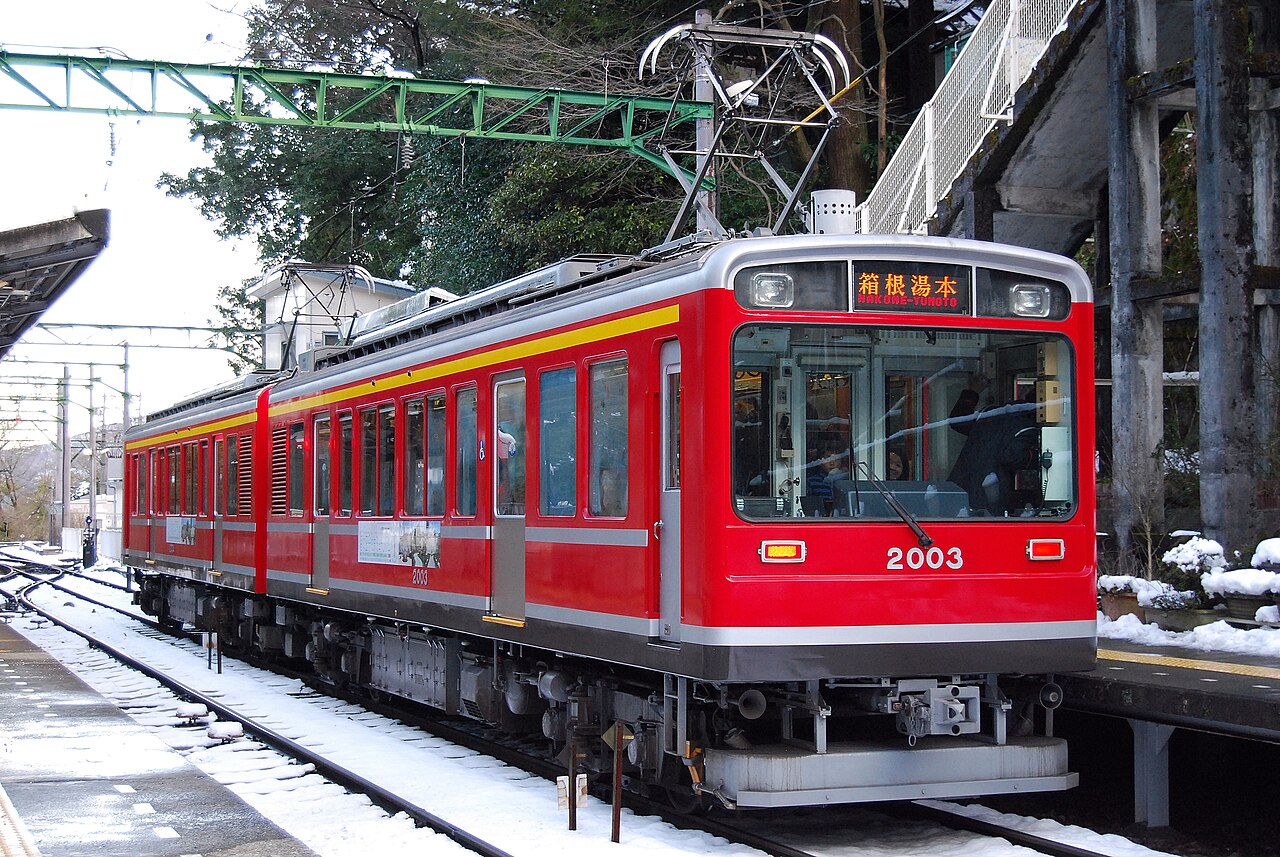
The switchback mountain railway runs from Hakone-Yumoto up to Gora, the central hub of Hakone. The journey takes about 35 minutes and the route through the mountains is scenic. Covered by the Hakone Free Pass.
Hakone Ropeway
Runs from Sounzan (above Gora) across the volcanic Owakudani area to Togendai on the shore of Lake Ashi. On clear days you can see Mt Fuji from the ropeway. Journey time about 25 minutes. Covered by the Hakone Free Pass.
Lake Ashi Cruise
Sightseeing boats run between Togendai, Moto-Hakone, and Hakone-machi on Lake Ashi. The lake cruise offers views of Mt Fuji on clear days. Journey time about 30 minutes. Covered by the Hakone Free Pass.
Local Buses
Hakone Tozan Bus covers most areas not served by the railway, including Sengokuhara. Buses can be crowded on weekends. Covered by the Hakone Free Pass on designated routes.
How Long Does the Journey Take?
Here is a summary of journey times between key points:
- Shinjuku to Hakone-Yumoto via Romancecar: about 85 minutes, direct
- Tokyo Station to Hakone-Yumoto via Shinkansen and Tozan Railway: about 50 minutes, one transfer at Odawara
- Shinjuku to Hakone-Yumoto via highway bus: about 110 to 130 minutes, direct
- Hakone-Yumoto to Gora via Tozan Railway: about 35 minutes, direct
- Gora to Owakudani via ropeway: about 25 minutes
- Owakudani to Togendai via ropeway: about 10 minutes
- Togendai to Moto-Hakone via lake cruise: about 30 minutes
Day Trip vs Overnight Stay
Day Trip from Tokyo
Hakone works as a day trip, but it is a full day. Leave Tokyo early (aim for the first Romancecar around 7:00 to 8:00 AM), focus on two or three key sights, and head back by early evening to avoid crowds.
Recommended day trip itinerary: Hakone-Yumoto, Tozan Railway to Gora, ropeway to Owakudani, lake cruise to Moto-Hakone, return bus to Hakone-Yumoto.
For more on what to do, see: Things to Do in Hakone
Overnight Stay
Staying overnight unlocks the core Hakone experience: arriving at your ryokan in the afternoon, bathing in the onsen, eating kaiseki, and waking up to the mountain air. If your schedule allows even one night, it is worth it.
For ryokan and hotel recommendations: Best Ryokans in Hakone
Practical Tips
IC Cards (Suica and Pasmo)
IC cards are accepted on the Hakone Tozan Railway, most local buses, and at convenience stores throughout Hakone. They are not accepted for Odakyu Romancecar reserved seat tickets, which require a separate purchase.
Avoiding Crowds
Hakone is busiest during cherry blossom season (late March to mid-April), autumn foliage (mid-November to early December), Golden Week (late April to early May), and summer weekends. Travel on weekdays if possible. Early morning departures help significantly.
What to Bring
Light layers are recommended even in summer, as Gora and higher areas are cooler than Tokyo. Comfortable walking shoes are useful if you plan to explore on foot. Cash is handy for smaller shops and some buses.
FAQ
How long is the train from Tokyo to Hakone?
The Odakyu Romancecar from Shinjuku takes about 85 minutes direct to Hakone-Yumoto. The Shinkansen from Tokyo Station to Odawara takes about 35 minutes, then 15 minutes on the Hakone Tozan Railway, for a total of around 50 minutes door to station.
Is the Romancecar worth the extra cost?
Yes, for most visitors. The reserved seat surcharge adds about 1,100 yen to your Odakyu fare, but you get a comfortable, scenic, no-transfer journey. The panoramic window carriages are particularly good. If you are travelling with children or luggage, the guaranteed seat is worth it.
Can I use a JR Pass to get to Hakone?
The JR Pass covers the Tokaido Shinkansen to Odawara. From Odawara, the Hakone Tozan Railway is not covered by the JR Pass, so you pay a small additional fare. The Romancecar and Hakone Free Pass are Odakyu products and are not covered by the JR Pass.
What is the cheapest way to get to Hakone from Tokyo?
The highway bus from Busta Shinjuku is the cheapest option, at around 1,650 to 2,000 yen one way. Journey time is longer than the train and depends on traffic, but the buses are comfortable.
*Last updated: May 2026. Prices are approximate and subject to change. Verify current fares before travelling.*