Hakone is the most complete short escape from Tokyo that exists. Within a 90-minute train ride, you get natural hot spring baths, an active volcanic crater, world-class art, a mountain lake with Fuji views, ancient shrines, and some of Japan’s finest ryokans. I’ve been sending travellers here for over 15 years, and it consistently over-delivers. This guide covers everything — where to stay, what to do, how to get there, and how to plan your time so you don’t waste a minute of it.
🛁 Planning an onsen getaway near Tokyo? Check out our honest guide to the best onsen ryokans near Tokyo — covering Hakone, Izu, and Nikko.
Japan travel professional with 15+ years of industry experience, including senior roles at major Japanese travel companies and media. Every recommendation in this guide is based on firsthand knowledge. We are never paid directly by hotels to feature them.
Quick Picks
| Category | Pick | Link |
|---|---|---|
| 🏆 Best Ryokan (Overall) | Gora Kadan | Check availability on Agoda
 |
| 💴 Best Value Stay | Hakone Airu | Check availability on Agoda
 |
| 🛁 Best Private Onsen | Hakone Kowakien Tenyu | Check availability on Agoda
 |
| 🎯 Must-Do Activity | Hakone Ropeway + Owakudani | |
| 🚃 Best Transport Pass | Hakone Free Pass |
Best Areas to Stay in Hakone
Hakone isn’t a single town — it’s a network of distinct hot spring villages spread across a volcanic mountain landscape. Choosing the right area shapes your entire experience.
| Area | Best For | Vibe |
|---|---|---|
| Hakone-Yumoto | First-timers, late arrivals | Lively onsen town; walkable; most accessible |
| Gora | Luxury stays, onsen lovers | Quiet; upscale; mountain atmosphere |
| Motohakone / Lake Ashi | Families, Fuji views | Scenic lakeside; historic |
| Sengokuhara | Quiet escapes, nature | Highland; pastoral; least crowded |
Hakone-Yumoto — Best for First-Timers
This is where the Odakyu Romancecar from Shinjuku drops you off — the front door to Hakone. It’s lively, walkable, and has everything from budget guesthouses to solid mid-range ryokans. The onsen water is alkaline and transparent, gentle on skin, ideal for first-timers. The riverside shopping street (仲見世通り) has souvenir shops, bakeries and local restaurants.
👉 Full area-by-area hotel guide → Where to Stay in Hakone
Gora — Best for Onsen & Luxury
Higher elevation, quieter streets, and Hakone’s highest concentration of luxury ryokans. Gora is where Japan’s finest ryokans are — Gora Kadan, Ichinoyu Honkan, and others. The water here is a sodium chloride-sulphate spring with strong warming properties. Accessible from Yumoto via the Hakone Tozan Railway.
Motohakone / Lake Ashi — Best for Families & Views
The scenic lakeside area with the famous torii gate standing in the water. Best for families and anyone prioritising Mt. Fuji views. Access via ropeway + Lake Ashi cruise, or direct bus from Yumoto.
Sengokuhara — Best for Quiet Escapes
A highland plateau that feels worlds away from the busy tourist trails. Fewer options, but more space, nature, and tranquility. The pampas grass fields (ススキ草原) in autumn are spectacular.
Top Things to Do in Hakone
1. Hakone Ropeway & Owakudani (Must-Do)
Owakudani is Hakone’s most dramatic attraction — an active volcanic crater billowing sulphur steam, with aerial ropeway views over the steaming landscape and, on clear days, a perfect frame of Mt. Fuji. At the midpoint station, try the kuro-tamago (black eggs boiled in volcanic hot springs) — legend says each adds seven years to your life.
Plan 2 hours. Go early (before 10am) for the best Fuji views. Queues can be severe on weekends — book ahead.
⚠️ Honest note: The ropeway closes periodically due to volcanic activity. Always check the official site before making this the centrepiece of your day.
2. Hakone Open Air Museum
One of Japan’s finest museums — and it’s outdoors. 120+ sculptures by Rodin, Henry Moore, and Miro set across 70,000 sqm of manicured grounds, with the Hakone mountains as a backdrop. The Picasso Pavilion houses 300+ works indoors. There’s even an onsen foot bath in the grounds — soaking your feet in real hot spring water mid-museum visit is a distinctly Hakone experience. Budget 2–3 hours.
Admission: ¥1,600. A 2-minute walk from Chokoku-no-Mori station on the Hakone Tozan Railway.
👉 Full things-to-do guide → Things to Do in Hakone
3. Lake Ashi Cruise & Hakone Shrine
The Lake Ashi pirate ship cruise crosses the caldera lake in 30 minutes between Togendai, Moto-Hakone, and Hakone-machi ports. It’s included in the Hakone Free Pass. From Moto-Hakone port, walk to Hakone Shrine — a cedar forest approach leads to one of the most atmospheric Shinto shrines in Kanto. The lakeside torii gate standing in the water is one of Hakone’s most iconic sights.
4. Hakone Tozan Railway
Japan’s steepest mountain railway, climbing from Yumoto to Gora via three switchbacks. The train reverses direction mid-climb — genuinely impressive engineering. In late June and July, the hillside explodes in hydrangea blooms, making this one of the most underrated seasonal experiences near Tokyo. Included in the Hakone Free Pass.
5. Hot Springs (Onsen)
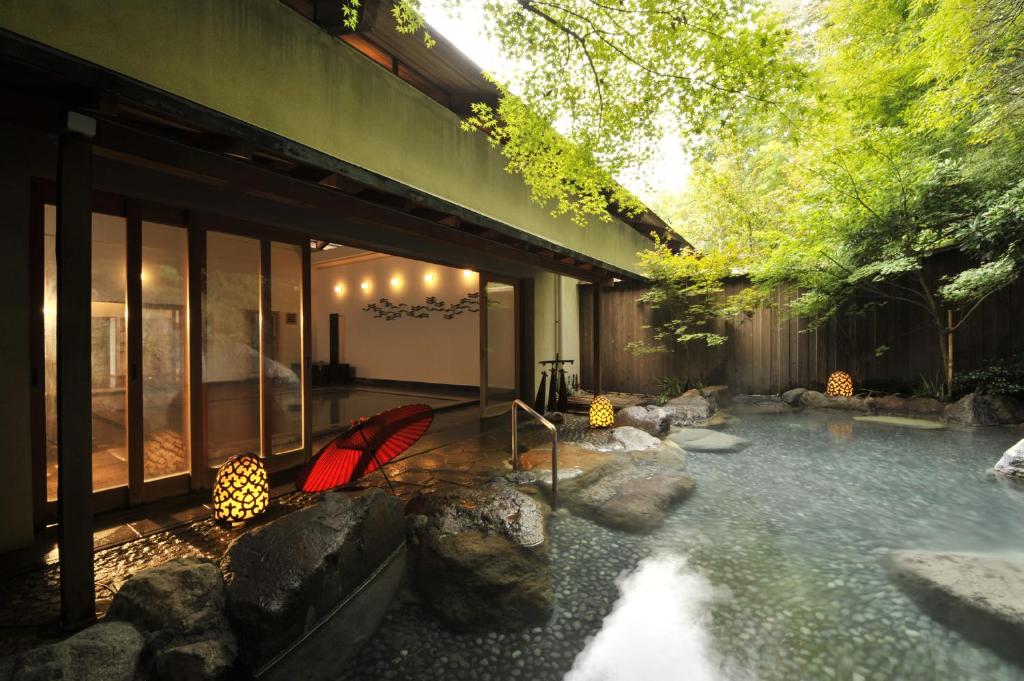
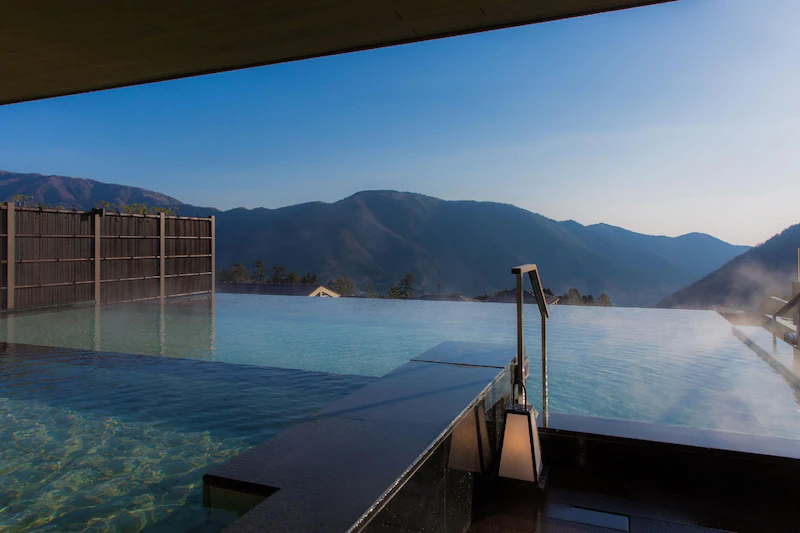
Hakone has 17 distinct hot spring areas with at least 5 chemically different water types — alkaline silky springs in Yumoto, milky-white sulphurous springs in Kowakudani, warming sodium chloride springs in Gora. If you’re staying in a ryokan, you’ll access onsen as part of your stay. If you’re day-tripping, Hakone Yuryo offers private-room day-use baths.
👉 Full onsen guide → Hakone Onsen Guide
👉 Private onsen options → Hakone Private Onsen
Best Ryokans in Hakone
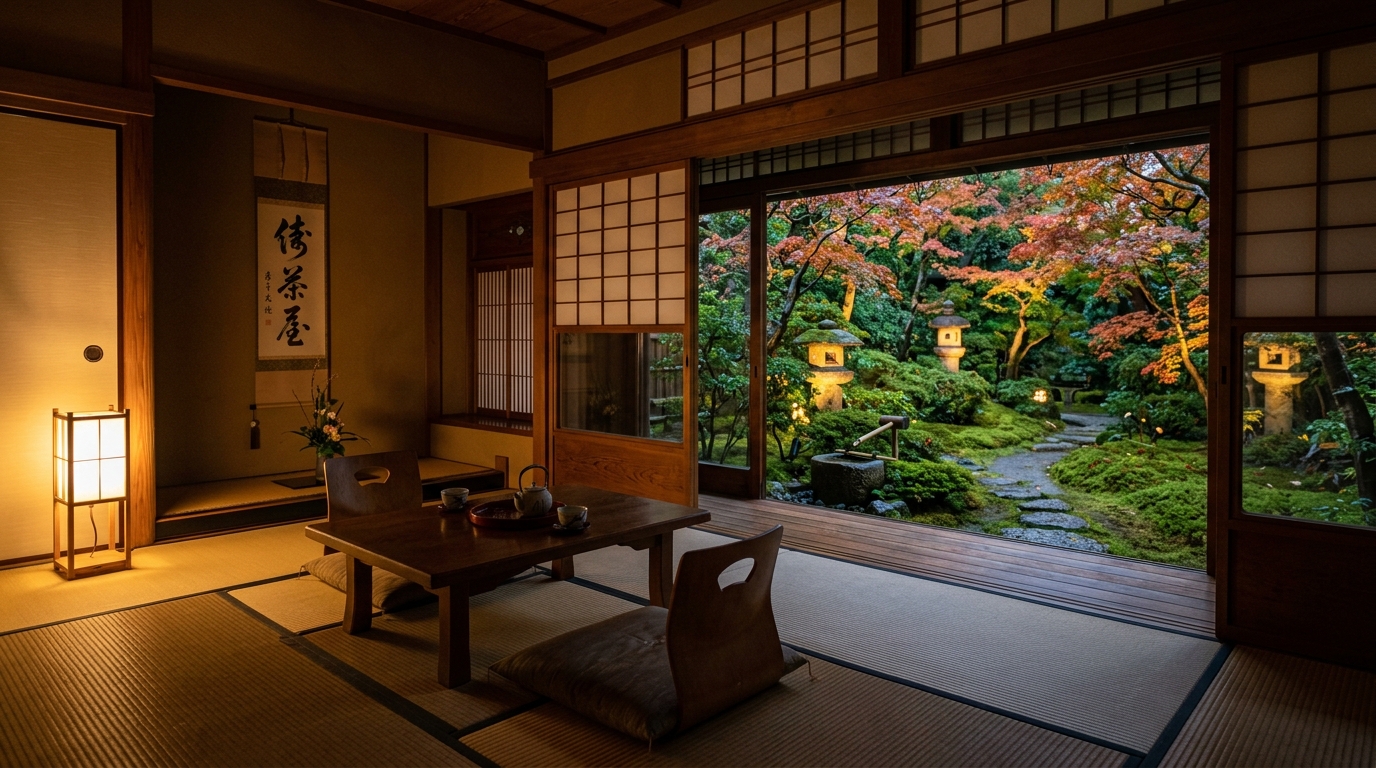
A ryokan is a traditional Japanese inn — tatami floors, futon bedding, kaiseki meals, and onsen baths. Staying in one is the single best way to experience Hakone. Here are my honest top picks across price points.
🏆 Best Overall: Gora Kadan
A former Imperial family villa turned luxury ryokan. Immaculate Japanese gardens, exceptional kaiseki cuisine, and service that makes you feel slightly embarrassed by how well you’re being looked after. Rates start around ¥152,000 per person per night with meals. Book 2–3 months ahead for peak season.
Check availability on Agoda
🛁 Best Private Onsen Value: Hakone Kowakien Tenyu
Every single room has its own private open-air bath with natural onsen water. Rare at this price point. The milky-white sulphurous water from Kowakudani is one of Hakone’s most dramatic spring types. A bit off the beaten track — you’ll need the ropeway or a local bus.
Check availability on Agoda
💴 Best Budget: Hakone Airu
Steps from Hakone-Yumoto station. Clean, thoughtfully designed rooms, solid communal baths, warm welcome. Starting around ¥34,200 per person with dinner and breakfast. Honest value.
Check availability on Agoda
👉 Full ryokan guide with 15+ picks → Best Ryokans in Hakone
How to Get to Hakone from Tokyo
Odakyu Romancecar (Recommended)
Direct from Shinjuku to Hakone-Yumoto in ~85 minutes. Reserved seats, comfortable panoramic windows, no transfers. Cost: ~¥3,100–¥3,500 per person.
Shinkansen via Odawara (JR Pass Holders)
Tokaido Shinkansen from Tokyo to Odawara (~35 min), then Hakone Tozan Railway to Yumoto (~15 min). JR Pass covers the Shinkansen portion.
Highway Bus (Budget)
From Busta Shinjuku to Hakone-Yumoto. ~¥1,650–¥2,000 per person. Journey time: 110–130 minutes depending on traffic.
Hakone Free Pass — Is It Worth It?
For a 2-day visit: almost certainly yes. The pass covers round-trip Odakyu trains from Shinjuku, unlimited Hakone Tozan Railway, ropeway, cable car, and Lake Ashi cruise. 2-day pass: ~¥6,500 from Shinjuku.
👉 Full transport guide → Tokyo to Hakone
Day Trip or Overnight Stay?
| Day Trip | Overnight | |
|---|---|---|
| Time needed | 7–9 hours on the ground | 1–2 nights |
| Cost | ¥5,000–¥8,000 all-in | ¥34,000–¥150,000+ per person |
| What you get | Ropeway, Museum, Lake Ashi | All of the above + ryokan dinner, private onsen, morning baths |
| Best for | Tight schedules | Anyone who wants the full experience |
My honest verdict: A day trip is worthwhile and doable. But an overnight in a ryokan with a private onsen is one of Japan’s great experiences. If you can, stay at least one night.
👉 Day trip planning guide → Hakone Day Trip from Tokyo
When to Visit Hakone
| Season | Highlights | Drawbacks |
|---|---|---|
| Spring (Mar–May) | Cherry blossoms; clear Fuji views in Mar | Crowds; book ryokans 2–3 months ahead |
| Early Summer (Jun) | Hydrangeas along Tozan Railway | Rainy season starts; Fuji often clouded |
| Summer (Jul–Aug) | Lush greenery; long days | Hot and humid; Fuji frequently hidden |
| Autumn (Sep–Nov) | Foliage; pampas grass in Sengokuhara | Peak season; crowds and prices spike |
| Winter (Dec–Feb) | Clearest Fuji views; quiet | Cold; some facilities reduced hours |
Best time for Mt. Fuji views: November to February.
Best time for crowds + weather balance: March (before cherry blossom peak) or November.
Hakone 2-Day Itinerary
Day 1
- 8:00 — Depart Shinjuku by Romancecar
- 9:30 — Arrive Hakone-Yumoto; check in or drop luggage
- 10:00 — Hakone Ropeway + Owakudani (2 hours)
- 12:30 — Lunch near Gora station
- 14:00 — Hakone Open Air Museum (2–3 hours)
- 17:00 — Check into ryokan
- 18:00 — Kaiseki dinner + evening onsen
Day 2
- 7:00 — Morning onsen (the best time — few guests, quiet)
- 8:30 — Japanese breakfast at ryokan
- 10:00 — Lake Ashi Cruise + Hakone Shrine (2–3 hours)
- 13:00 — Lunch at Moto-Hakone
- 14:30 — Sengokuhara pampas grass field (seasonal) or Hakone Shrine hike
- 16:30 — Return to Yumoto; Romancecar back to Shinjuku
FAQ
How far is Hakone from Tokyo?
About 85–90 minutes by Odakyu Romancecar from Shinjuku. 50–60 minutes if you take the Shinkansen to Odawara and transfer.
How many days do you need in Hakone?
Two days and one night is ideal — enough for the ropeway, Open Air Museum, Lake Ashi, and a proper ryokan stay with morning onsen. One day is doable but requires an early start and ruthless prioritisation.
Is Hakone worth visiting?
Yes — consistently, year after year. It offers the highest concentration of genuine Japanese experiences (onsen, ryokan, mountain scenery, Mt. Fuji views) within easy reach of Tokyo. No other destination within 2 hours of the city comes close.
Can you see Mt. Fuji from Hakone?
Often, but not reliably. The clearest views are in winter (November–February), early morning, and after rainfall clears the air. In summer and during the rainy season, Fuji is frequently hidden. Best viewpoints: Owakudani ropeway, Lake Ashi.
What is a ryokan?
A traditional Japanese inn with tatami-floor rooms, futon bedding, multi-course kaiseki dinner, Japanese breakfast, and onsen baths included. Staying in one is the centrepiece of a Hakone overnight — not just accommodation.
Are ryokans tattoo-friendly?
Communal baths (大浴場) at most traditional ryokans prohibit tattoos. However, many properties offer private baths (kashikiri or in-room rotenburo) that tattoo-bearing guests can use. Always check before booking.
👉 Full private onsen options → Hakone Private Onsen
Is Hakone expensive?
It depends entirely on how you do it. A day trip costs ¥5,000–¥8,000 all-in (transport + activities). An overnight in a budget ryokan runs ¥15,000–¥35,000 per person including meals. Luxury ryokans start at ¥80,000+ per person. There’s a genuine range at every price point.
Final Word
Hakone rewards proper planning and punishes rushed visits. Pick one area to base yourself in, book your ryokan 2–3 months ahead for peak seasons, get your Hakone Free Pass, and leave early from Tokyo. Do that, and you’ll understand why people come back here year after year.
Written by a Japan travel professional with 15+ years of experience across major Japanese travel media. All recommendations are based on industry expertise and firsthand research — never paid placements.