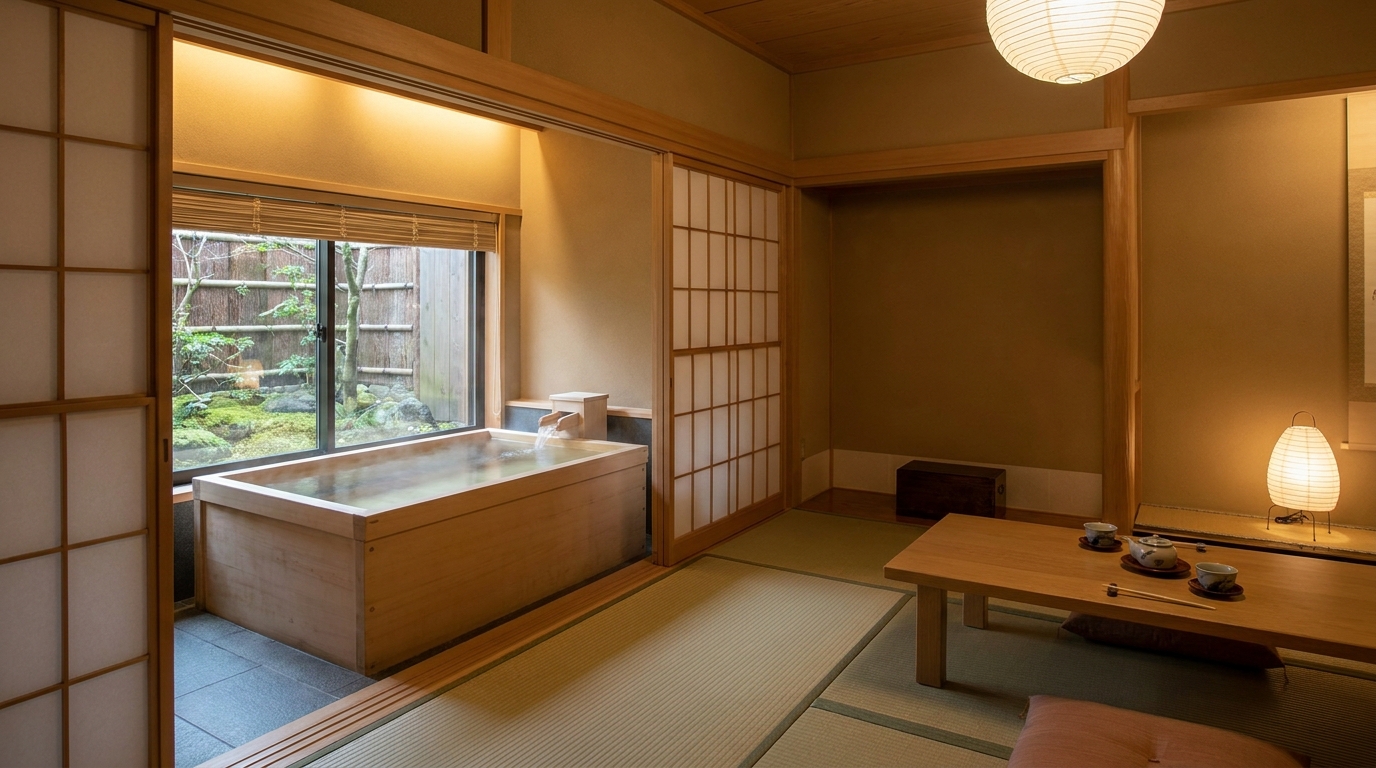
Looking for a ryokan in Tokyo? You’re asking the right question — but let me be straight with you first: Tokyo ryokans are a different beast from the ones you’ll find in Hakone or Kyoto.
The good news: you can absolutely have a genuine tatami-room, yukata-wearing, futon-sleeping experience right in central Tokyo. The honest caveat: most Tokyo ryokans don’t offer the kaiseki multi-course dinner or natural hot spring onsen that countryside ryokans are famous for. The city sits on flat, low-lying ground where natural hot spring water is hard to access — a few top hotels import onsen water from elsewhere, but it’s worth knowing upfront.
That said, if you want to experience Japanese inn culture while staying close to Tokyo’s best neighborhoods, a Tokyo ryokan is a fantastic choice. Here’s my honest shortlist — places I can vouch for based on 15+ years working in Japan’s travel industry.
Japan travel professional with 15+ years of industry experience, including senior roles at major Japanese travel companies and media. Every recommendation in this guide is based on firsthand knowledge. We are never paid directly by hotels to feature them.
- Quick Picks: Best Ryokans in Tokyo
- The Honest Truth About Tokyo Ryokans
- Best Ryokans in Tokyo by Category
- Luxury: HOSHINOYA Tokyo
- Best Private Onsen: Prostyle Ryokan Tokyo Asakusa
- Best Value with Onsen: Onsen Ryokan Yuen Shinjuku
- Best for First-Timers: Ryokan Kamogawa Asakusa
- Best for Groups and Families: Centurion Hotel Ueno
- Affordable Traditional Stay: EDO SAKURA
- A Modern Alternative: Dormy Inn Premium Ginza (Natural Hot Spring)
- Ryokans by Area in Tokyo
- What to Expect at a Tokyo Ryokan
- How to Get Around Tokyo from Your Ryokan
- FAQ
- Final Thoughts
Quick Picks: Best Ryokans in Tokyo
| Category | Pick | Best For | Links |
|---|---|---|---|
| Best Overall | HOSHINOYA Tokyo | Luxury seekers who want the real deal | Check availability on Agoda
 |
| Best Private Onsen | Prostyle Ryokan Tokyo Asakusa | In-room private bath experience | Check availability on Agoda
 |
| Best Value | Onsen Ryokan Yuen Shinjuku | Budget-conscious travelers who still want onsen | Check availability on Agoda
 |
| Best for First-Timers | Ryokan Kamogawa Asakusa | Traditional charm, easy English service | Check availability on Agoda
 |
| Best for Families | Centurion Hotel Ueno | Spacious rooms, private bath, great price per person | Check availability on Agoda
 |
The Honest Truth About Tokyo Ryokans
Before diving in, a few things to know:
Natural onsen water is rare in Tokyo. Unlike Hakone or Kusatsu, central Tokyo doesn’t sit on volcanic hotspring geology. A handful of hotels pipe in onsen water from Chiba or Nagano — I’ll flag which ones do. The rest offer high-quality baths, but not technically “onsen.”
Kaiseki dinners are uncommon. Most Tokyo ryokans offer optional Japanese breakfast (usually ¥1,500–3,000 per person), not multi-course dinners. If an all-inclusive kaiseki experience is your priority, head to Hakone. If you want to explore Tokyo’s incredible restaurant scene at night and sleep in a tatami room, Tokyo ryokans are perfect.
Rooms are small — choose wisely. Budget ryokans in Tokyo average 10–15 sqm. Mid-range hits 18–30 sqm. If you’re traveling as a couple and want to spread out, budget accordingly.
Best Ryokans in Tokyo by Category
Luxury: HOSHINOYA Tokyo
If you’re going to splurge on one ryokan experience in Tokyo, make it HOSHINOYA Tokyo. This is the best-known luxury ryokan brand in Japan, and their Tokyo flagship does not disappoint.
Located in Otemachi — the financial district a five-minute walk from Tokyo Station — HOSHINOYA Tokyo occupies a 17-story tower that’s almost entirely vertical. Each floor has tatami rooms with low furniture, floor cushions, and that sense of calm that good ryokans create. You arrive by boat along the Nihonbashi River (a signature touch), and shoes come off at the entrance to the building.
The rooftop hot spring bath is the highlight. HOSHINOYA imports natural hot spring water from Minamishinshuu in Nagano — it’s the real thing. The rooftop setting, with Tokyo’s skyline stretching out in every direction, is memorable in a way that photos don’t capture.
What I’d tell a friend: Book the full package with dinner if your budget allows. À la carte, the restaurant is excellent but expensive. The Japanese breakfast is outstanding and worth adding.
Price range: From ¥60,000–¥150,000 per room per night (approx. $400–$1,000 USD), depending on season.
Best Private Onsen: Prostyle Ryokan Tokyo Asakusa
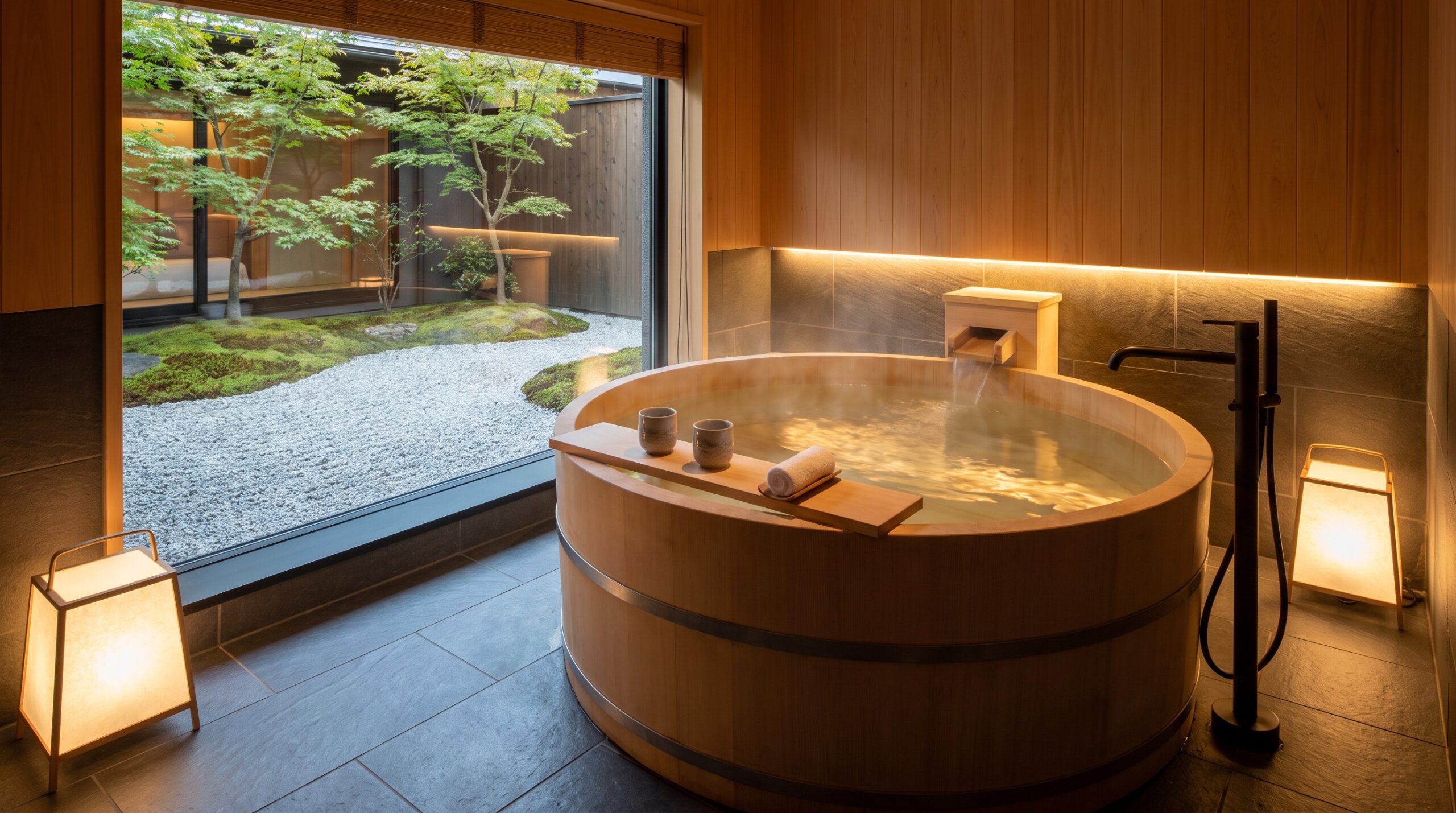
If a private in-room bath is non-negotiable, Prostyle Ryokan Tokyo Asakusa is essentially the only true option in central Tokyo. It’s the one property I’m aware of in the city with genuine private open-air baths attached directly to the room.
Only three rooms offer this — the Japanese-Style King, the Corner Twin, and the Suite. All three have tatami flooring, raised Western-style beds (a practical concession for guests not used to futons), and a separate bathroom in addition to the private open-air bath. Some rooms have direct views of Tokyo Skytree.
A note on the water: like most Tokyo “onsen,” this is onsen-style, not natural hot spring water. But the private outdoor bath experience itself — soaking in hot water under the sky in the middle of Asakusa — is genuinely relaxing and worth it.
The ryokan is a five-minute walk from Senso-ji Temple, in one of Tokyo’s most atmospheric traditional neighborhoods. English-speaking staff. Breakfast included in most rates.
Book early. Three private-onsen rooms in a city of 14 million people means availability disappears fast.
Price range: ¥60,000–¥90,000 per room per night (approx. $400–$600 USD), breakfast included.
Best Value with Onsen: Onsen Ryokan Yuen Shinjuku
For travelers who want a genuine onsen experience without spending luxury prices, Yuen Shinjuku is the standout pick. The ryokan uses natural hot spring water — piped in from Hakone — for its public baths, including a small open-air rooftop bath.
The location is excellent: a 10-minute walk from Shinjuku-Sanchome Station puts you close to department stores, restaurants, and Shinjuku’s nightlife — yet the ryokan itself feels like a quiet escape. Tatami rooms with futon bedding, yukata robes provided.
This isn’t a luxury property. Rooms are modest in size, and kaiseki dinners aren’t on offer. But if your priority is soaking in real Hakone onsen water in central Tokyo at a reasonable price, nothing else comes close at this price point.
Price range: ¥15,000–¥25,000 per room per night (approx. $100–$170 USD).
Best for First-Timers: Ryokan Kamogawa Asakusa
For travelers experiencing their first ryokan stay, Ryokan Kamogawa Asakusa hits the right balance of authenticity and accessibility. The staff speak English, the check-in process is welcoming to international guests, and the tatami rooms — while modest in size — are genuinely traditional in feel.
The futon bedding here is notably high quality. The shared baths can be reserved for private use (for an additional fee), giving you the private bath experience without the Prostyle price tag. Location in Asakusa means you’re close to Senso-ji, the Nakamise shopping street, and Tokyo Skytree.
Japanese breakfast is available as an add-on and worth it.
Price range: ¥10,000–¥20,000 per room per night (approx. $70–$135 USD).
Best for Groups and Families: Centurion Hotel Ueno
Not strictly a ryokan — it’s branded as a hotel — but Centurion Hotel Ueno earns its place on this list for the private open-air bath rooms that accommodate up to seven guests at surprisingly reasonable rates.
The Japanese-Style Family Room with Open-Air Bath can house a family of five or six for around ¥30,000–¥45,000/night total on weekdays. The private outdoor bath, while not fed by natural hot spring water, creates the ryokan-style soaking experience families are looking for. Tatami floors, futon-style sleeping arrangements.
Ueno location means Ueno Zoo, Ueno Park (cherry blossoms in spring), and multiple world-class museums within walking distance.
Price range: ¥30,000–¥100,000 per room/suite per night, depending on group size and season.
Affordable Traditional Stay: EDO SAKURA
EDO SAKURA is the pick for budget travelers who want an immersive local experience without spending much. Located in the Taito Ward (near Ueno), the ryokan is small and simply furnished — but it has character.
Check availability on Agoda
The standout feature is the reservable private bath: for around ¥500–¥800, guests can book the public bath for their exclusive use for 30–45 minutes. A daily Japanese tea ceremony (complimentary) adds a cultural touch that more expensive properties often lack.
Rooms are small — expect 10–15 sqm — but they’re clean, traditionally decorated, and give you tatami and futon at a price that lets you spend more on Tokyo’s food scene.
Price range: ¥8,000–¥15,000 per room per night (approx. $55–$100 USD).
Check availability on Agoda
A Modern Alternative: Dormy Inn Premium Ginza (Natural Hot Spring)
Not a ryokan — but worth knowing about for travelers who want a modern hotel experience with genuine onsen water access. Dormy Inn Premium Ginza opened in 2023 and imports natural hot spring water from Chiba Prefecture for its shared baths.
Select rooms include private outdoor baths on a terrace. The Ginza location is excellent for shopping and easy access to Tsukiji Outer Market. Western-style rooms, Japanese bath culture.
Price range: ¥30,000–¥60,000 per room per night.
Ryokans by Area in Tokyo
Asakusa — The Best Base for Ryokan Stays
Asakusa is where most of Tokyo’s traditional inns are concentrated, and for good reason. The neighborhood itself feels historical — narrow streets, old shopfronts, Senso-ji Temple at its center. Staying here puts you in the most atmospheric part of the city, where a ryokan actually makes sense in its surroundings.
Best picks here: Prostyle Ryokan Tokyo Asakusa (private onsen), Ryokan Kamogawa Asakusa (first-timers), Sakura Ryokan Asakusa Iriya (budget).
Getting around: Asakusa Station connects to multiple lines. Skytree is walkable. Tokyo Station and Shinjuku are 20–30 minutes by train.
Ueno — Museums and Parks Nearby
Ueno is adjacent to Asakusa and similarly popular for mid-range and budget ryokans. The area is a touch less atmospheric than Asakusa, but the transport links are excellent and Ueno Park is one of Tokyo’s great public spaces.
Best picks here: Centurion Hotel Ueno (families/groups), MIMARU Tokyo Ueno North (apartment-style).
Shinjuku — Central Location, Fewer Options
Shinjuku is Tokyo’s most famous district — massive train hub, department stores, Kabukicho entertainment zone — but ryokans are relatively scarce here. The exception is Yuen Shinjuku, which stands out precisely because it offers genuine onsen in such a central location.
Best pick here: Onsen Ryokan Yuen Shinjuku.
Otemachi / Tokyo Station Area — Luxury Only
The financial district around Tokyo Station has HOSHINOYA Tokyo as its standout. Expensive, but unmatched in quality. Convenient if you’re flying in and out of Haneda or need easy Shinkansen access.
Best pick here: HOSHINOYA Tokyo.
What to Expect at a Tokyo Ryokan
Meals
Most Tokyo ryokans don’t include dinner. Japanese breakfast is usually offered as an optional add-on (¥1,500–3,000 per person) — a traditional spread of rice, miso soup, grilled fish, pickles, and tamagoyaki. Worth doing at least once.
HOSHINOYA Tokyo is the exception — their kaiseki dinners are available and excellent, though priced accordingly.
Baths
Public shared baths are common, gender-separated, and available for a few hours morning and evening. At some properties (Ryokan Kamogawa, EDO SAKURA), you can reserve the bath privately for a small extra fee. In-room private baths are rare in Tokyo — Prostyle Ryokan is the standout.
Yukata and Slippers
Virtually all ryokans provide yukata (light cotton robes) and slippers. Wear the yukata around the property; it’s standard practice.
Tattoo Policy
Tokyo ryokans are generally more international-visitor-friendly than rural onsen towns. Many have updated their policies to accommodate foreign guests with tattoos. That said, always check directly before booking, especially for shared public baths. For more information, see our guide to *(tattoo-friendly onsen tokyo — guide coming soon)*.
How to Get Around Tokyo from Your Ryokan
Tokyo’s train system is comprehensive and most ryokans are within walking distance of a subway or JR station. A Suica or Pasmo IC card handles all train and bus fares — buy one at any major station.
Asakusa, Ueno, and Shinjuku ryokans give you easy access to the entire city. A 24-hour metro pass (¥600) is good value if you’re doing heavy sightseeing.
For day trips: Hakone is 90 minutes by Romancecar from Shinjuku (book ahead — Check availability on Agoda for ryokan stays in Hakone if you want the full natural onsen experience — see our Best Ryokans in Hakone guide).
FAQ
What is a ryokan?
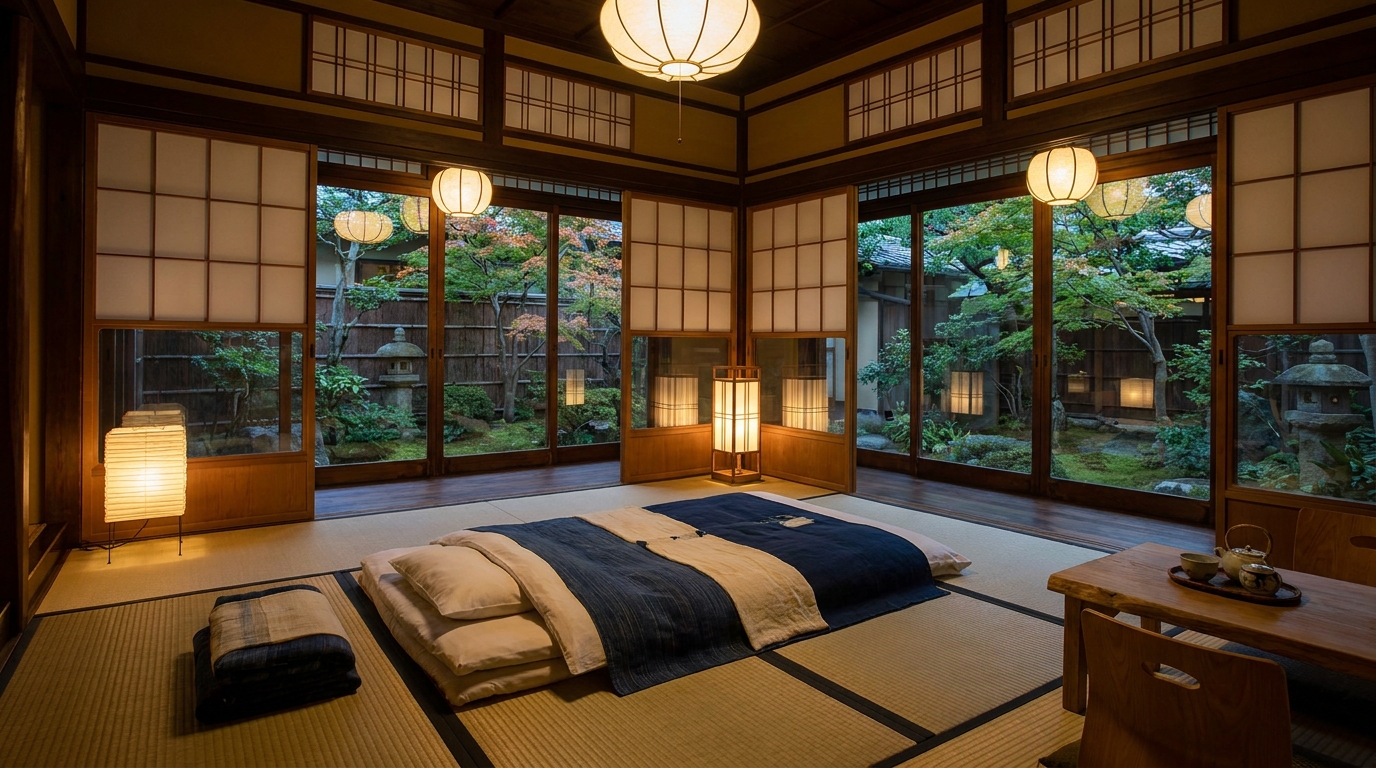
A ryokan is a traditional Japanese inn. Key features include tatami-floored rooms, futon bedding on the floor, yukata robes, shared or private Japanese baths, and hospitality-focused service (omotenashi). In rural areas, kaiseki multi-course meals and natural hot spring onsen are standard. In Tokyo, ryokans offer the aesthetic and hospitality while meal formats are more flexible.
Do Tokyo ryokans include meals?
Most do not include dinner. Japanese breakfast is usually available as an add-on. HOSHINOYA Tokyo is the notable exception with kaiseki dining options. Budget accordingly if you want the full meal experience — or use a Tokyo ryokan as a base and explore the city’s extraordinary restaurant scene at night.
Can I stay at a Tokyo ryokan with tattoos?
Most Tokyo ryokans are more flexible than rural onsen towns. Properties like HOSHINOYA Tokyo and Prostyle Ryokan Asakusa have experience with international guests and generally accommodate guests with tattoos (especially for in-room baths). Shared public bath areas vary — always confirm directly with the property before booking.
How much does a ryokan in Tokyo cost?
Budget: ¥8,000–¥15,000/night (EDO SAKURA, small guesthouses)
Mid-range: ¥15,000–¥35,000/night (Yuen Shinjuku, Ryokan Kamogawa)
Luxury: ¥60,000–¥150,000/night (HOSHINOYA Tokyo, Prostyle with private onsen)
How far in advance should I book?
For mid-range options in busy seasons (cherry blossom in March–April, autumn foliage in November), book 2–3 months ahead. For HOSHINOYA Tokyo or Prostyle Ryokan’s private-onsen rooms, 3–6 months ahead is not excessive — availability is genuinely limited.
Is a Tokyo ryokan better than Hakone for onsen?
Honest answer: no, if natural onsen is your main goal. Hakone, Kusatsu, and Beppu have the real volcanic hot spring experience that Tokyo can’t replicate. But if you want ryokan culture — the tatami rooms, the hospitality, the Japanese atmosphere — while also using Tokyo as your base for city sightseeing, a Tokyo ryokan makes perfect sense. See our Best Ryokans in Hakone guide if you want to compare.
Final Thoughts
Tokyo ryokans are not a substitute for a Hakone onsen retreat — and the best ones don’t pretend to be. What they offer is something different: a chance to sleep in a tatami room, wear a yukata, and experience Japanese inn hospitality in the middle of one of the world’s great cities.
My top picks:
- HOSHINOYA Tokyo if budget isn’t a constraint and you want the genuine article
- Prostyle Ryokan Asakusa if a private bath is non-negotiable
- Yuen Shinjuku if you want real onsen water without spending a fortune
- Ryokan Kamogawa if it’s your first ryokan and you want a forgiving, welcoming experience
Any questions about ryokan stays in Tokyo? Drop them below. I’ve spent 15 years in Japan’s travel industry, and there’s very little about Japanese accommodation that I haven’t encountered firsthand.
*Looking for ryokans outside Tokyo? See our guides to Best Ryokans in Hakone and Best Ryokans in Kyoto.*