Japan travel professional with 15+ years of industry experience, including senior roles at major Japanese travel companies and media. Every recommendation in this guide is based on firsthand knowledge. We are never paid directly by hotels to feature them.
Kyoto is where Japan feels most like Japan. The narrow stone lanes of Gion, the flicker of lanterns at dusk, the stillness of a temple garden just after rain — and right at the center of all of it, the ryokan. Japan’s traditional inn isn’t just accommodation; it’s the experience itself.
But with hundreds of options — ranging from 100-year-old institutions to sleek modern takes on the form — choosing the right ryokan in Kyoto can feel overwhelming. After 15+ years working in the Japanese travel industry, I’ve seen what separates the genuinely memorable stays from the tourist-trap versions.
This guide cuts through the noise.
TL;DR — Quick Picks
Before we dive in, here are my top three for travelers who want a fast answer:
- Best Overall (Luxury): Tawaraya — the gold standard of Kyoto ryokan, period. Check availability on Agoda

- Best Private Onsen: Nazuna Kyoto Nijo-jo — modern design with genuine private-bath culture. Check availability on Agoda

- Best Value: Seikoro Ryokan — old-school atmosphere, honest pricing, real kaiseki. Check availability on Agoda

Disclosure: I’ve spent 15+ years working in Japan’s travel industry, including time with major Japanese travel media. I recommend properties based on industry knowledge and research — never paid placements. Some links on this page are affiliate links, which means I earn a small commission if you book through them, at no extra cost to you.
What Makes a Great Kyoto Ryokan?
Not every ryokan is equal. Here’s what I look for — and what you should too.
Bath Types: The Biggest Variable
The onsen (hot spring bath) situation varies enormously between properties:
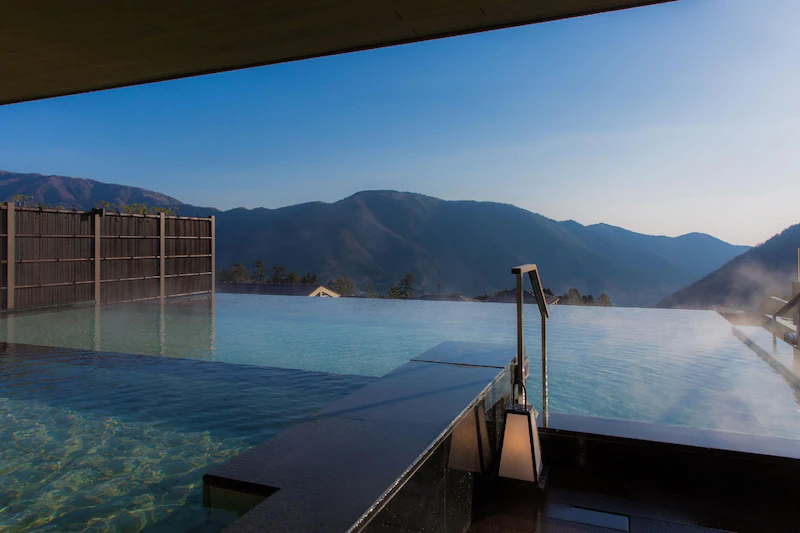
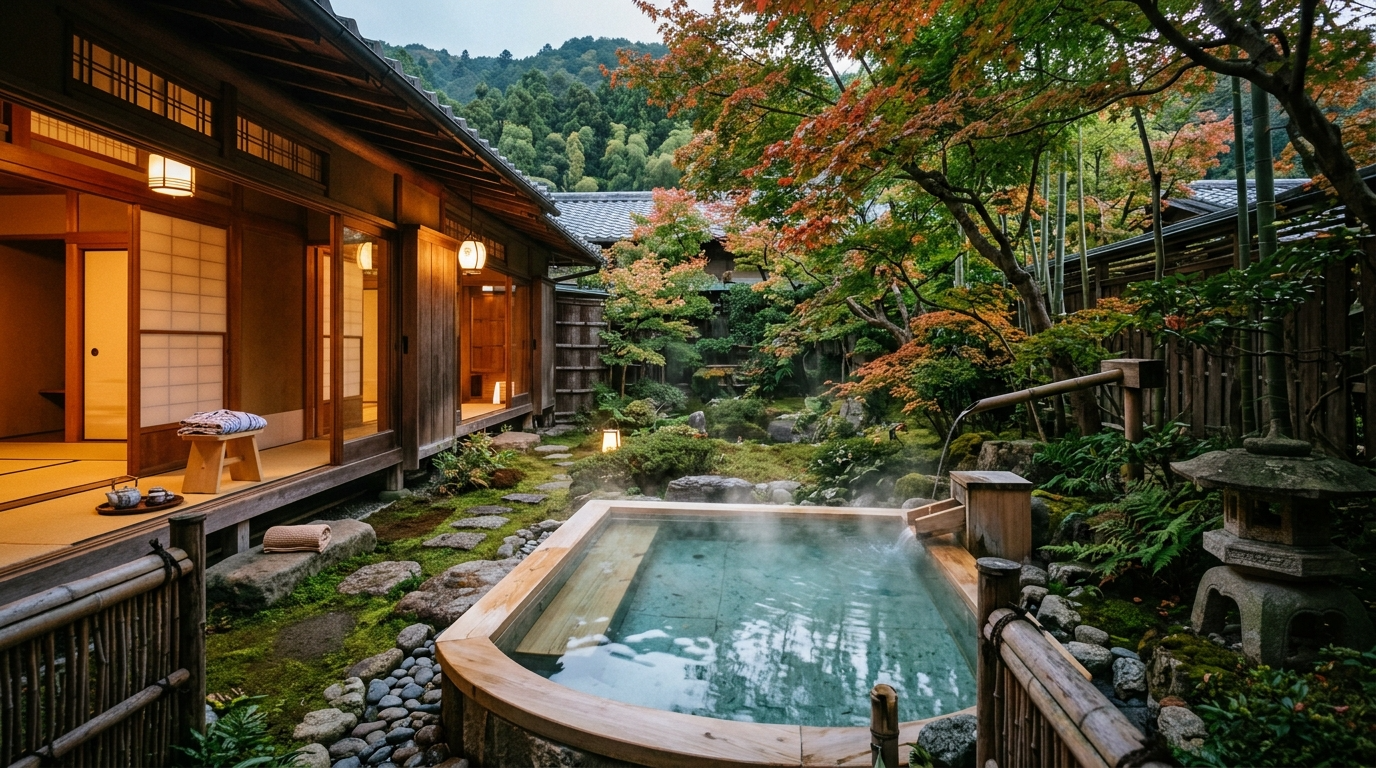
- In-room private bath (部屋付き露天風呂): A private outdoor bath on your own balcony or garden. The most romantic, most expensive option.
- Private chartered bath (貸切風呂): A shared facility you can reserve for your party — usually 45–60 minutes per slot.
- Large communal bath (大浴場): Separate men’s and women’s baths. Traditional, social, and often the best-designed soaking pools. Tattoos are usually not allowed here.
Honest advice: If you have visible tattoos, call ahead. Many traditional ryokan still enforce strict no-tattoo policies in their communal baths. Properties with in-room private baths are your safest option.
What’s Typically Included
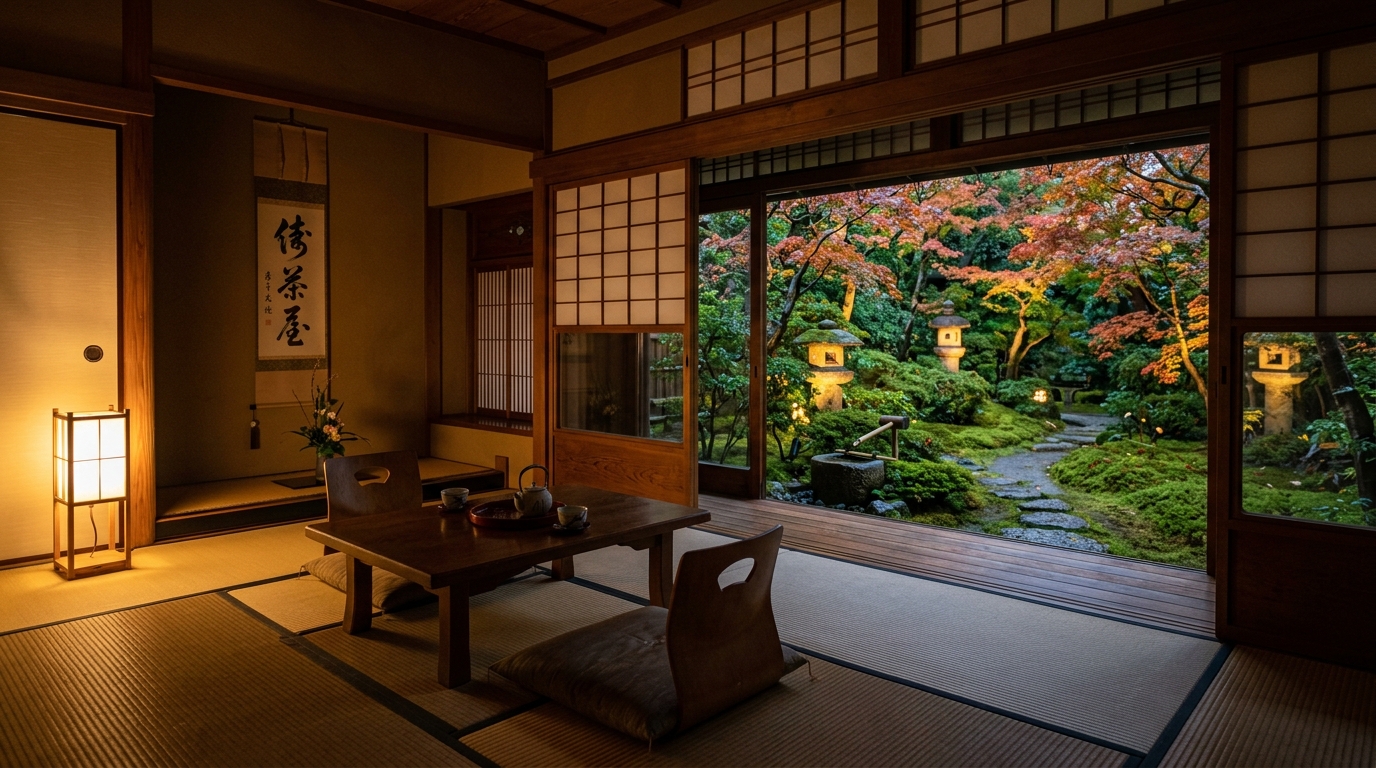
Most traditional Kyoto ryokan include:
- Kaiseki dinner — multi-course Japanese dinner using seasonal ingredients. Usually served in your room or a private dining room.
- Japanese breakfast — grilled fish, rice, miso soup, pickles. A very different experience from a Western hotel breakfast.
- Yukata (浴衣) — a light cotton kimono provided for wearing around the property and to/from the baths.
- Amenities: Toiletries, towels, and usually green tea and wagashi (Japanese sweets) on arrival.
Note: Some ryokan offer room-only (素泊まり) plans at lower prices. Useful if you prefer to eat out, but you’ll miss the full experience.
How to Get to Kyoto
Kyoto is best reached from Tokyo by Shinkansen (2h15min on the Nozomi). From Osaka it’s just 15 minutes on the Shinkansen or 30–40 minutes on a local train. From Kansai International Airport, allow 75–90 minutes by train.
Once in Kyoto, the city is best navigated by taxi or bus. Most ryokan will arrange airport/station transfers if requested in advance — always worth asking.
Best Ryokans in Kyoto by Price Category
Luxury Ryokans in Kyoto
1. Tawaraya (俵屋旅館)
Central Kyoto — near Nijo Castle
If you only have one name to remember, make it Tawaraya. Founded in the early 1700s, this is the most famous ryokan in Japan — and the reputation is earned. Former guests include Steve Jobs, Mick Jagger, and numerous heads of state. Every room is uniquely designed around a private garden. The kaiseki dinner here is not just a meal; it’s a performance.
Tawaraya is invitation-only for new guests — you typically need a referral from a previous guest or concierge connection. If that sounds exclusive: it is. And it’s worth it.
Check availability on Agoda
2. Hiiragiya Ryokan (柊家)
Nakagyō Ward — Karasuma-Oike area
Founded in 1818 and still family-run, Hiiragiya is Tawaraya’s closest rival. The aesthetic is immaculate — rooms are quiet, staff are exceptional, and the kaiseki changes with the seasons. There are two buildings: the historic main house (本館, our recommendation) and a newer annex. The main house rooms book out months in advance.
Check availability on Agoda
3. Hoshinoya Kyoto
Arashiyama — riverside, boat access only
Hoshinoya is a contemporary luxury ryokan accessible only by boat — a 10-minute river journey from Arashiyama dock. If you want drama and seclusion, this is it. The design is modern Japanese, the baths are excellent, and the river setting is like nowhere else in Kyoto. Note: this is Hoshino Resorts’ upmarket brand, so expect genuine hospitality infrastructure behind the scenes. Communal baths use Arashiyama spring water; some rooms have private outdoor baths.
→ Private onsen options: Best Kyoto Ryokan with Private Onsen
Check availability on Agoda
4. Nazuna Kyoto Nijo-jo
Near Nijo Castle, Central Kyoto
For travelers who want the ryokan experience but prefer sleeker, more minimal design, Nazuna is one of Kyoto’s best answers. All rooms have private baths — Shigaraki ceramic tubs with a distinct tea-inspired design. Tattoos are explicitly allowed, which is rare among traditional Kyoto ryokans. A strong choice for couples who care about design.
→ Private onsen details: Best Kyoto Ryokan with Private Onsen
Check availability on Agoda
5. Banyan Tree Higashiyama Kyoto
Higashiyama — near Maruyama Park
Opened in the early 2020s, Banyan Tree’s Kyoto property is one of the most striking new luxury hotels in the city — and it leans fully into the ryokan form. Location in Higashiyama puts you within walking distance of Kiyomizudera, Yasaka Shrine, and the Sannen-zaka stone path. All rooms include outdoor soaking tubs. Expensive, but genuinely world-class.
Check availability on Agoda
Mid-Range Ryokans in Kyoto
6. Seikoro Ryokan (西こうろ)
Higashiyama — south of Gion
This is my personal pick for the best mid-range ryokan in Kyoto. It’s been operating for over 130 years, the rooms are properly traditional, and the kaiseki — while not Tawaraya-level — is honest, seasonal, and delicious. The communal baths are well-maintained and open late. Location near Kyoto Station makes it easy to arrive, store luggage, and explore without hassle.
Check availability on Agoda
7. Nishiyama Ryokan
Central Kyoto — Shijo-Karasuma area
A long-established ryokan in the city center with easy access to shopping and transit. Rooms vary in size — request a garden-view room if available. Staff speak enough English to handle most requests. A solid, unfussy choice.
Check availability on Agoda
8. Gion Yoshiima (祇おん吉祥菴)
Gion — Hanamikoji area
For location alone, Gion Yoshiima is hard to beat: right in the heart of the geisha district, steps from Hanamikoji Street. Rooms are compact but well-appointed. This isn’t the place to sprawl out — it’s the place to step outside at dusk and feel like you’ve time-traveled 200 years back. Meal quality is good; not transcendent.
Check availability on Agoda
9. Ishibeikoji Muan
Higashiyama — Ishibekoji Lane
Ishibekoji is one of Kyoto’s most atmospheric alleyways — a cobblestone path that feels almost completely unchanged from the Edo period. Muan is tucked right into this lane. Small, intimate, and packed with character. Book early; it sells out constantly.
Check availability on Agoda
10. Onyado Nono Kyoto Shichijo (Natural Hot Spring)
Near Kyoto Station
Not a traditional ryokan in the strict sense — more of a Japanese-style hotel with genuine onsen facilities. But for travelers who want hot spring baths, real Japanese aesthetics, and easy station access at a more accessible price point, Onyado Nono consistently delivers. The baths use real natural hot spring water. A smart choice for first-timers.
Check availability on Agoda
Budget Ryokans in Kyoto
11. Matsubaya Ryokan
Near Kyoto Station
One of Kyoto’s best-known budget ryokan — family-run for decades, clean, welcoming to foreign guests, and walking distance from Kyoto Station. No in-room baths, and shared toilet/shower facilities, but the atmosphere is genuinely traditional. English spoken.
Check availability on Agoda
12. Ryokan Shimizu
Near Kyoto Station
Similar profile to Matsubaya: clean, traditional, family-run, near the station. Good for solo travelers and couples on a budget who still want the ryokan atmosphere. Free Wi-Fi, helpful staff, Japanese breakfast available for an extra fee.
Check availability on Agoda
13. Yuzuya Ryokan
Central Kyoto — Kawaramachi area
A budget-friendly option with more central location than the station-area picks. Rooms are simple but tidy. No private baths, but the communal facilities are clean. Good base for covering central Kyoto on foot.
Check availability on Agoda
Best Ryokans by Area in Kyoto
Gion / Higashiyama (東山)
Best for: Atmosphere, walking to major sightseeing, evening ambiance
This is where most travelers imagine Kyoto: stone-paved lanes, traditional machiya townhouses, the chance of spotting a maiko at dusk on Hanamikoji Street. Ryokan here tend to book out months in advance — plan early.
Top picks: Banyan Tree Higashiyama, Gion Yoshiima, Ishibeikoji Muan
Arashiyama (嵐山)
Best for: Nature, bamboo grove, riverside tranquility, escaping crowds (slightly)
Arashiyama is about a 30–40 minute tram/bus ride from central Kyoto. The bamboo grove and Tenryuji temple are the main draws. Ryokan here offer a quieter, more immersive experience — especially Hoshinoya, with its boat-only river access.
Top picks: Hoshinoya Kyoto, Ryokan Togetsutei
Central Kyoto / Downtown (中京区・四条)
Best for: Shopping, dining out, transit access, flexibility
If you plan to explore widely — Fushimi Inari in the south, Daitokuji in the north, Nishiki Market in between — a central location saves time. Tawaraya and Hiiragiya are both here, which tells you something about where the quality concentrates.
Top picks: Tawaraya, Hiiragiya, Nishiyama Ryokan, Nijo-jo area options
Kyoto Station Area (京都駅周辺)
Best for: Easy arrival/departure, day trips to Nara or Osaka, budget travelers
Not the most atmospheric area, but practical. Several good-value ryokan cluster near the station. Worth choosing if you’re combining Kyoto with a lot of regional day-tripping.
Top picks: Seikoro, Matsubaya, Ryokan Shimizu, Onyado Nono
If You Can’t Stay Overnight: Day-Use Onsen in Kyoto
Not ready to commit to a full ryokan stay? Several Kyoto facilities offer day-use onsen access:
- Funaoka Onsen (船岡温泉): A legendary old public bathhouse in north Kyoto — tiled walls, old-school atmosphere, very affordable. This is where locals actually go.
- Sento (public bath) experiences: Klook and local operators offer guided sento experiences for visitors unfamiliar with the protocols.
Policies to Check Before You Book
- Tattoo policy: Traditional ryokan with communal baths typically prohibit tattoos. If you have visible tattoos, ask directly before booking. Properties with in-room private baths are generally more flexible.
- Check-in time: Usually 3:00–4:00 PM. Dinner is typically served at a fixed time (7:00 PM is common), so plan your arrival accordingly.
- Meal options: Most mid-range and luxury ryokan are half-board (dinner + breakfast). Budget options may offer breakfast only or room-only. Confirm before booking — especially if you have dietary restrictions.
- Language: Budget and mid-range ryokan staff may have limited English. Luxury properties like Tawaraya and Hoshinoya have multilingual staff.
- Advance booking: Kyoto’s top ryokan — especially for spring (cherry blossoms, late March–early April) and autumn foliage (mid-November) — book out 3–6 months ahead. Don’t wait.
Kyoto Cultural Experiences to Book Alongside Your Stay
A ryokan stay pairs naturally with:
- Tea ceremony: A 1–2 hour experience in a traditional tea house. 👉
Book a tea ceremony on Klook
- Kimono rental: Walk Gion in a kimono — most rental shops include dressing assistance. 👉
- Fushimi Inari hike: 10,000+ torii gates on a mountain trail — best at dawn before the crowds. 👉
- Arashiyama bamboo grove: Combine with Tenryuji garden. Best in early morning.
FAQ
What is a ryokan?
A ryokan (旅館) is a traditional Japanese inn, typically featuring tatami mat floors, futon bedding, and communal or private onsen baths. Most include dinner (kaiseki, a multi-course Japanese meal) and breakfast. The ryokan experience is central to Japanese hospitality culture — it’s a significant reason travelers come to Japan specifically.
How much does a ryokan in Kyoto cost per night?
Prices vary enormously. Budget ryokan run ¥8,000–¥15,000 per person per night (including two meals). Mid-range options: ¥20,000–¥50,000 per person. Luxury properties like Tawaraya or Hiiragiya: ¥80,000–¥150,000+ per person. Note that most ryokan prices are quoted per person, not per room, and include dinner and breakfast.
Do ryokans include meals?
Most traditional Kyoto ryokan include dinner (kaiseki) and breakfast in the room rate. Some offer room-only plans at lower prices. Budget ryokan may offer breakfast only. Always check the inclusions when comparing prices.
Can I stay at a ryokan with tattoos?
Depends on the property and the bath type. Communal baths (大浴場) typically prohibit tattoos, in line with traditional Japanese onsen rules. Ryokan with in-room private baths (部屋付き露天風呂) or private chartered baths are generally more accommodating. When in doubt, contact the property directly before booking.
How far in advance should I book a Kyoto ryokan?
For peak seasons (cherry blossom in late March–early April; autumn foliage in mid-November), book 3–6 months ahead — especially at popular properties. For shoulder season or less famous ryokan, 4–6 weeks is usually fine.
Is Kyoto good for ryokan stays?
Kyoto is arguably the best city in Japan for the ryokan experience — particularly in the Gion, Higashiyama, and Arashiyama areas, where the surroundings reinforce the atmosphere. If you’re going to stay in a ryokan once in Japan, Kyoto is the place to do it.
Final Thoughts
Staying in a ryokan in Kyoto is not just accommodation — it’s the trip. The ritual of the bath, the kaiseki dinner served in your room, the sound of wooden geta on stone paths outside your window: these are the things people remember decades later.
My honest advice: stretch your budget for one night at a mid-range or luxury ryokan if you can. Budget options are perfectly decent, but the full experience — private garden, multi-course kaiseki, attentive personal service — is worth the splurge at least once.
For private onsen options specifically, see our guide: Best Kyoto Ryokan with Private Onsen.
About the Author: This guide was written by a Japan travel professional with 15+ years of experience in the travel industry, including work with major Japanese travel media. All recommendations are based on industry knowledge and firsthand research — never paid placements.