Quick Picks:
– Best Overall: Nikko Tosho-gu Shrine — Japan’s most ornate shrine complex, worth every minute
– Best for Nature: Kegon Falls + Lake Chuzenji combo — stunning even on cloudy days
– Hidden Gem: Taiyuin Mausoleum — same quality as Tosho-gu, a fraction of the crowds
Nikko is one of those rare destinations that genuinely delivers on the hype. Nestled in the mountains of Tochigi Prefecture, just under two hours from Tokyo, it packs a UNESCO World Heritage shrine complex, three photogenic waterfalls, a highland lake, and some of the best onsen ryokans in eastern Japan into one day-trippable (but better-as-an-overnight) destination.
After 15+ years in the Japan travel industry, I’ve seen countless “top places in Japan” lists. Nikko consistently earns its spot — and it’s still underrated compared to Kyoto or Hakone in Western tourist itineraries. That’s a good thing: you’ll have room to breathe.
This guide covers everything you need to plan your Nikko visit — whether you have one day or two — with honest opinions on what’s worth your time and what you can skip.
Top Things to Do in Nikko
1. Nikko Tosho-gu Shrine
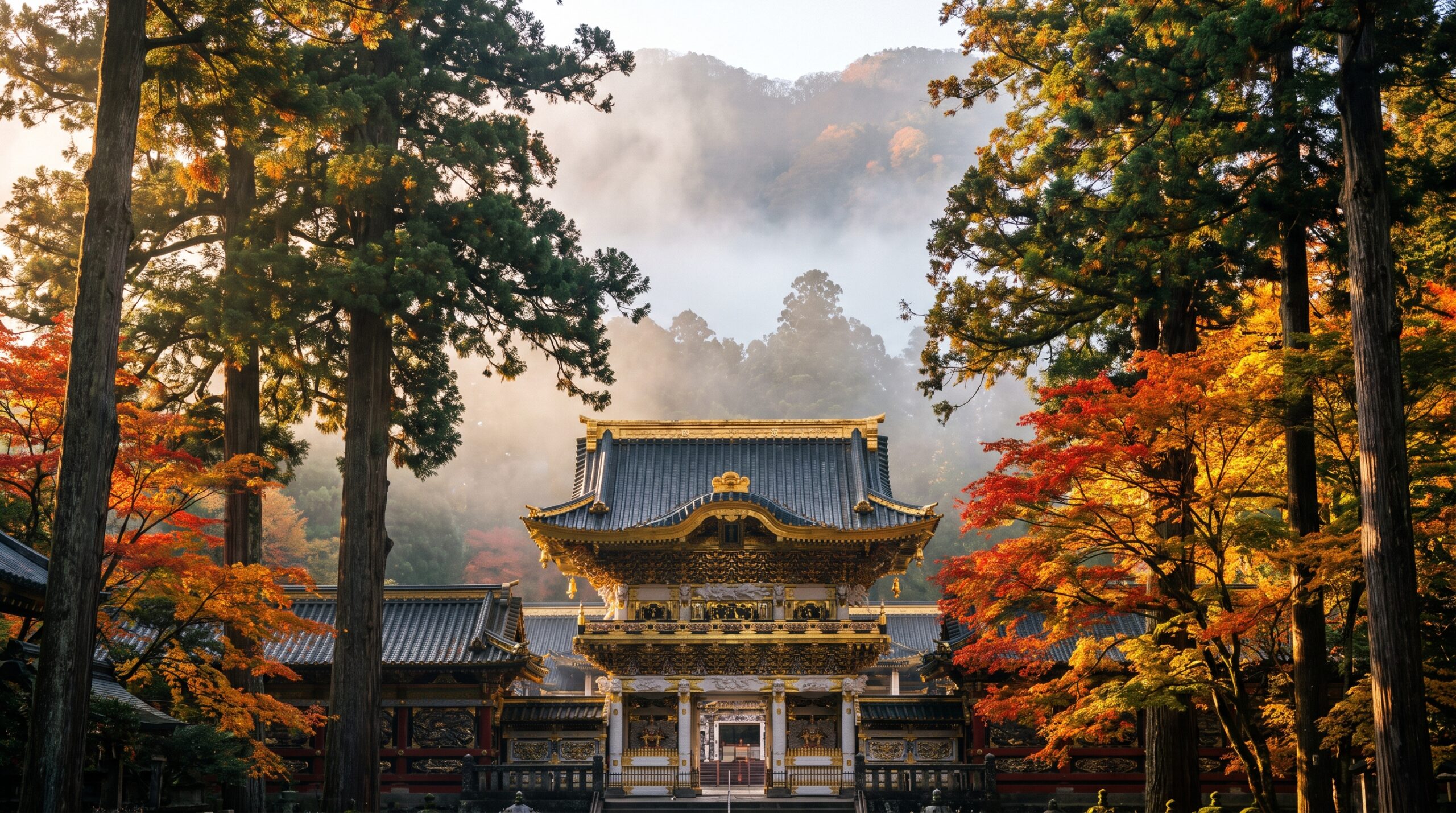
If you only do one thing in Nikko, make it Tosho-gu. This shrine complex is the mausoleum of Tokugawa Ieyasu, the first Shogun of the Edo period, and it’s breathtaking in scale and detail. Every gate, pagoda, and corridor is coated in gold leaf, lacquer, and intricate woodcarvings — a deliberate statement of Shogunate power that still stuns visitors four centuries later.
Practical info:
- Entry fee: ¥1,300 (includes most buildings; inner sanctuary costs extra ¥520)
- Opening hours: 9:00–17:00 (Apr–Oct), 9:00–16:00 (Nov–Mar)
- Time needed: 1.5–2 hours minimum
Pro tip: Arrive early (before 9:30am) — tour groups arrive in force by 10:30am. The cedar avenue leading up to the shrine is especially atmospheric in the early morning mist.
2. Taiyuin Mausoleum (Rinnoji Temple Complex)
Just a 10-minute walk from Tosho-gu, Taiyuin is the burial site of the third Shogun, Tokugawa Iemitsu. It’s smaller than Tosho-gu but shares the same ornate architectural style — and gets far fewer visitors.
Honest assessment: many travelers skip Taiyuin because they’re tired after Tosho-gu, but that’s a mistake. The forested setting feels more serene, the craftsmanship is equally impressive, and you’ll have room to actually contemplate what you’re looking at.
Entry fee: ¥550
Time needed: 45–60 minutes
3. Kegon Falls
Japan’s most famous waterfall, and one of its three “Great Waterfalls” (日本三名瀑). Kegon drops 97 meters from Lake Chuzenji into the gorge below — the visual impact, especially after heavy rainfall or during autumn foliage season, is genuinely dramatic.
Take the elevator (¥570) down to the observation deck for the best frontal view. The free upper terrace gives you the top-down angle, but you lose most of the drama.
Best season: Late October to early November (fall foliage) or after heavy rain in summer
Time needed: 30–45 minutes (including elevator)
4. Lake Chuzenji (中禅寺湖)
At 1,269 meters above sea level, Lake Chuzenji is Japan’s highest lake. It’s about 25 minutes by bus up a famous switchback mountain road (Irohazaka — 48 hairpin turns) from central Nikko.
The lake itself is scenic rather than spectacular, but it’s the gateway to Kegon Falls, the Senjogahara Marshlands, and Yumoto Onsen further up. If you’re staying overnight, consider basing yourself at a lakeside hotel or inn — the evening light on the water is something else.
Getting there: Local bus from Nikko Station (~¥1,100 one-way); Nikko Pass covers this route
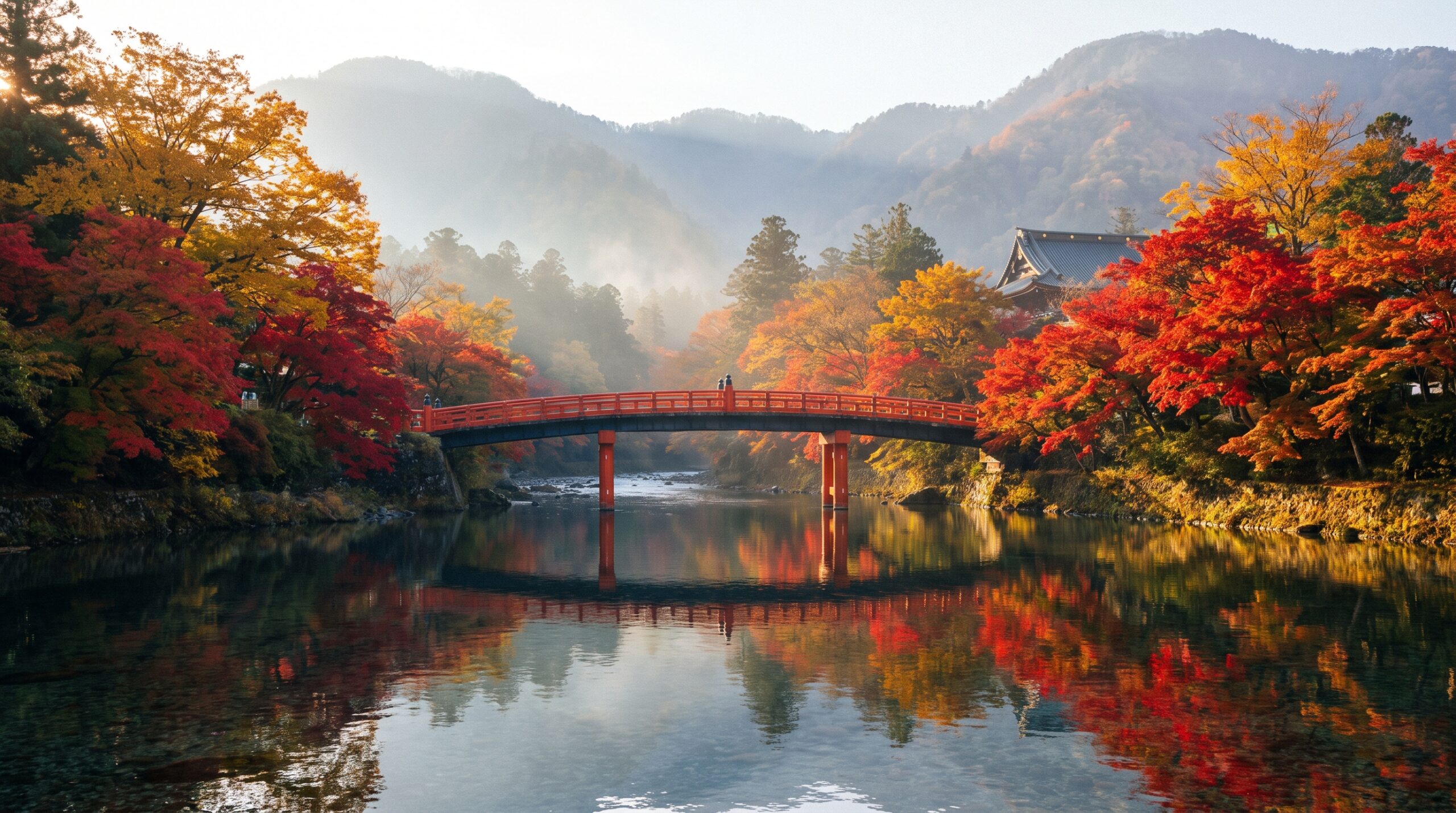
5. Shinkyo Bridge (神橋)
A red lacquered bridge over the Daiya River, Shinkyo marks the sacred entrance to Nikko’s shrine area. It was historically used only by the Shogun and Imperial messengers — today you can walk across it for ¥300.
Honest take: it’s beautiful but the viewing time is short. Most people photograph it from the free vantage point on the main road and move on. Worth the ¥300 if you’re a bridge person; otherwise the photo from outside is nearly as good.
Time needed: 15–20 minutes
6. Senjogahara Marshlands (戦場ヶ原)
This highland marsh at 1,400 meters is one of the most underrated spots in all of Kanto. A flat wooden boardwalk trail winds through wetlands, pine forest, and alpine meadows with views of Mount Nantai — it’s accessible, uncrowded, and genuinely peaceful.
The 4km trail from Yudaki Falls to Akanuma (or the reverse) takes about 1.5–2 hours and requires no special equipment. Spring wildflowers and autumn foliage make it particularly rewarding.
Access: Bus from Nikko Station toward Yumoto Onsen; get off at Senjogahara or Yudaki Falls
Cost: Free
7. Ryuzu Falls (竜頭の滝)
“Dragon Head Falls” splits into two streams at the bottom, creating the shape of a dragon’s head in the rock. There’s a teahouse right at the base of the falls — a bowl of hot amazake (sweet fermented rice drink, non-alcoholic) while watching the water is one of those simple Japan moments.
Less dramatic than Kegon but more intimate. Good for a 20-minute stop if you’re doing the Chuzenji–Senjogahara route.
8. Yudaki Falls (湯滝)
At the northern end of the Senjogahara trail, Yudaki is a wide curtain of water flowing from Lake Yunoko. Unlike Kegon, you can walk alongside this waterfall on a paved path — the sound and spray are immersive in a way that’s hard to replicate elsewhere.
There’s a small visitor center and food stalls selling freshwater fish (iwana/yamame) grilled on sticks — don’t pass these up.
9. Nikko Edo Wonderland (日光江戸村)
A full-scale recreation of an Edo-period town with actors in samurai and ninja costumes, theater performances, and hands-on workshops (calligraphy, throwing stars, costume rental). It’s explicitly tourist-friendly and unashamedly fun.
Best for: Families, anyone who wants a more interactive experience alongside the shrine-hopping
Entry fee: ¥4,000–¥5,800 depending on season
Time needed: Half day minimum
10. Nikko Tamozawa Imperial Villa (田母沢御用邸)
A 106-room villa built across three historic periods, it served as a summer retreat for Emperor Taisho. The garden and interior are in excellent condition, and the audio guide is genuinely informative.
Often missed by foreign tourists, this villa offers a completely different side of Nikko — elegant rather than ornate, Meiji-era rather than Edo. Worth 45 minutes if history is your thing.
Entry fee: ¥600
Opening hours: 9:00–16:30 (closed Tuesdays)
Day Trip vs. Overnight: An Honest Assessment
Day trip (from Tokyo): Possible, but you’ll need to choose between the shrine complex OR the Chuzenji highland area — not both at a relaxed pace. Leave Tokyo by 8:00am and return by 6:00pm to make it work.
Overnight (1 night): The right call if you want to see everything. Stay near the shrines for convenient access, or up at Lake Chuzenji for mountain atmosphere. An onsen ryokan adds another layer entirely — soaking in natural hot spring water after a day of shrine-walking is legitimately restorative.
👉 See our guide to Nikko onsen ryokans
Suggested Itineraries
1-Day Nikko (Shrine Focus)
- 9:00 Shinkyo Bridge (photo stop)
- 9:30 Tosho-gu Shrine (2 hours)
- 11:30 Taiyuin Mausoleum (1 hour)
- 12:30 Lunch near the shrine area
- 13:30 Tamozawa Imperial Villa (optional, 45 min)
- 15:00 Depart back to Tokyo
1-Day Nikko (Nature Focus)
- 9:30 Bus up Irohazaka to Lake Chuzenji
- 10:00 Kegon Falls
- 10:45 Walk along Lake Chuzenji
- 12:00 Lunch at Chuzenji
- 13:00 Ryuzu Falls
- 13:30 Senjogahara Marshlands hike (2 hours)
- 15:30 Bus back to Nikko Station
2-Day Nikko (Full Experience)
- Day 1: Shrine complex (Tosho-gu + Taiyuin + Shinkyo Bridge + Futarasan) → onsen ryokan check-in
- Day 2: Chuzenji highland (Kegon Falls + Ryuzu + Senjogahara + Yudaki) → afternoon departure
How to Get to Nikko
From Tokyo (Asakusa Station):
The Tobu Nikko Line Limited Express “Spacia” is the classic route — direct, comfortable, 1 hour 50 minutes, from ¥1,470 (reserved seating + surcharge). Regular express takes about 2 hours and is cheaper.
JR Pass holders:
Take the Shinkansen to Utsunomiya, then JR Nikko Line (45 min). This route is slower overall but covered by JR Pass.
Nikko Pass:
The Tobu Nikko Area Pass (¥4,000 for 2 days from Asakusa) covers the round-trip limited express AND all Tobu buses within the Nikko area — including routes to Chuzenji Lake and Yumoto Onsen. Worth it for a 2-day visit.
Where to Stay in Nikko
Nikko has two distinct accommodation zones:
Nikko Town / Near Shrines:
Convenient for the shrine complex. Good range of hotels, guesthouses, and a few traditional inns. Best for day-trippers extending to one night.
Lake Chuzenji / Yumoto Onsen:
More remote, more atmospheric. Yumoto Onsen especially has a classic Japanese spa town feel — milky sulfurous water, wooden ryokans, no crowds. If you’re here for the onsen experience, this is where to be.
👉 See our full guide to Nikko ryokans and onsen
When to Visit Nikko
| Season | Highlights | Crowds |
|---|---|---|
| Spring (Apr–May) | Cherry blossoms at lower elevations, fresh greenery | Moderate |
| Summer (Jun–Aug) | Full waterfalls, cool highland air | High (esp. August) |
| Autumn (Oct–Nov) | Peak fall foliage — genuinely spectacular | Very high (weekends) |
| Winter (Dec–Mar) | Snow on shrines, quiet, frozen waterfalls | Low |
Best time: Mid-October for foliage, or early-to-mid March for quiet winter atmosphere. Avoid Golden Week (late April–early May) and autumn weekends — the switchback mountain road to Chuzenji becomes a multi-hour traffic jam.
Practical Tips
Getting around: The central shrine area is walkable from Nikko Station (20 minutes). For Chuzenji and the highlands, you need the Tobu bus. A Nikko Pass or day bus pass is the most convenient option.
Food: Look for yuba (tofu skin) — a Nikko specialty. Restaurants along the approach to Tosho-gu serve yuba soba and yuba kaiseki at various price points.
Tattoos: Many onsen facilities in Nikko apply tattoo restrictions. If this concerns you, check policies before booking. Some newer inns are tattoo-friendly.
Cash: Most small restaurants and bus services prefer cash. The shrine area has ATMs but they can get congested during peak seasons.
FAQ
How many days do you need in Nikko?
Two days is ideal for seeing both the shrine complex and the highland nature area (Chuzenji, Senjogahara, waterfalls) without rushing. One day is possible if you focus on either shrines or nature, but not both at a satisfying pace.
Is Nikko worth visiting?
Yes — emphatically. Tosho-gu alone justifies the trip, and the surrounding national park adds a completely different dimension. For the effort required from Tokyo (less than 2 hours), the return is exceptional.
Can you do Nikko as a day trip from Tokyo?
Yes, but choose your focus: shrine area OR highland nature. Doing both in one day leads to rushed visits and bus timing stress. If you want both, stay overnight.
What is the best way to get to Nikko from Tokyo?
The Tobu Spacia Limited Express from Asakusa Station is the most convenient option — no transfers, 1 hour 50 minutes, relatively comfortable. If you have a JR Pass, go via Utsunomiya Shinkansen + JR Nikko Line instead.
What is Nikko famous for?
Nikko Tosho-gu Shrine (UNESCO World Heritage), its mountain national park, waterfalls (especially Kegon Falls), and traditional onsen hot springs. It was historically the spiritual center of the Tokugawa Shogunate and remains one of Japan’s most important cultural sites.
Is there an onsen in Nikko?
Yes — several. Yumoto Onsen near Lake Yunoko is the most traditional, with milky sulfur-heavy water and classic wooden ryokans. Nikko-Yunishigawa and Kinugawa Onsen are also within easy reach. See our ryokan guide for recommendations.
Final Thoughts
Nikko rewards visitors who go deeper than the obvious. Most day-trippers see Tosho-gu, take a photo at Shinkyo Bridge, and leave. That’s a fine visit — but Taiyuin, the Senjogahara marshlands, and a night in a Yumoto Onsen ryokan represent a completely different level of experience.
If you’re building a Japan itinerary and trying to decide between Nikko and Kamakura for a day trip: they’re different things. Kamakura is seaside, Buddhist, compact. Nikko is mountain, Shinto-Shogun, expansive. Both are worth your time — but Nikko gives you more layers to explore on a second visit.
For where to stay, see our Nikko Onsen and Ryokan Guide. For transport details, see our How to Get from Tokyo to Nikko.